



N E W
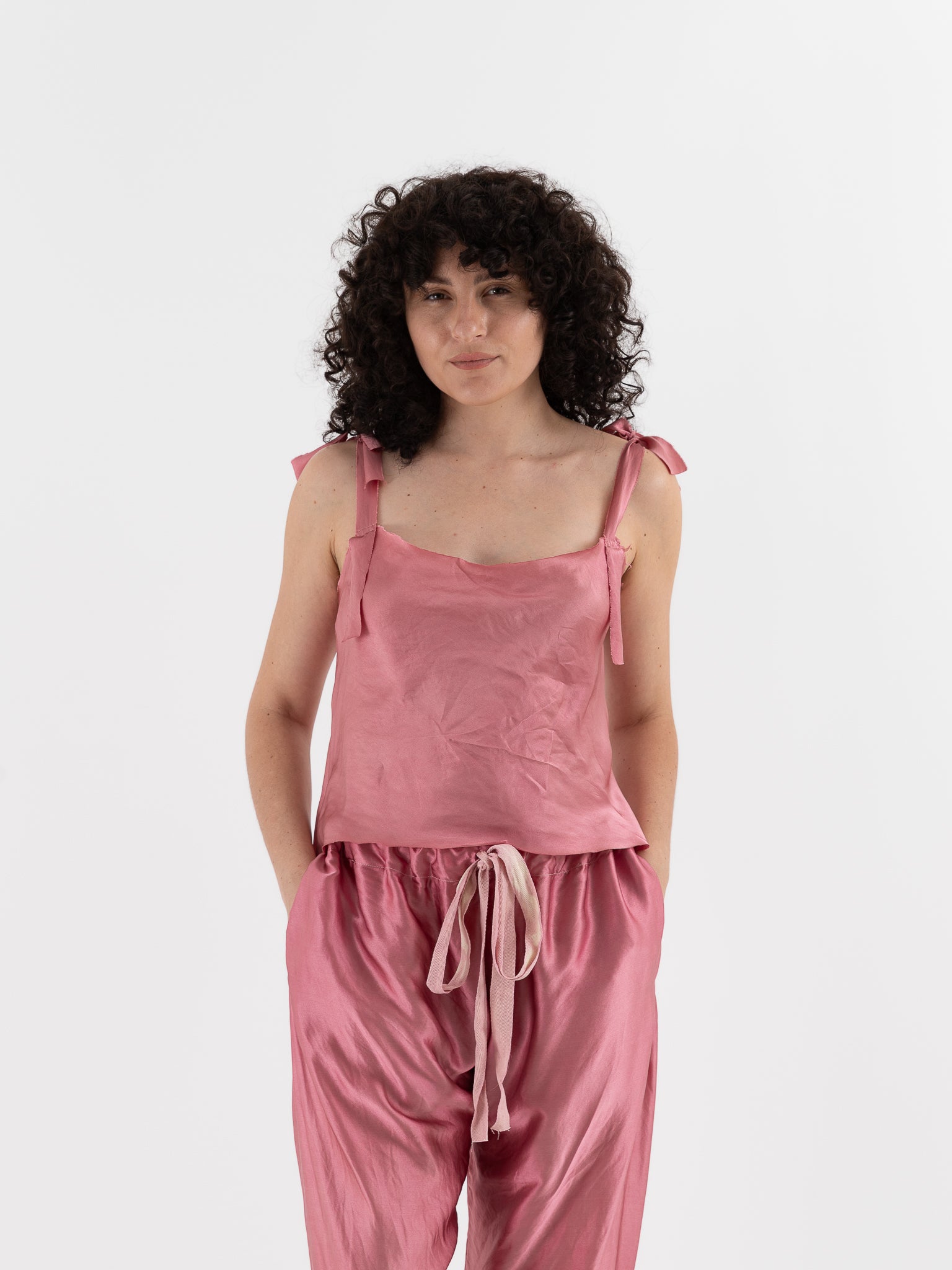
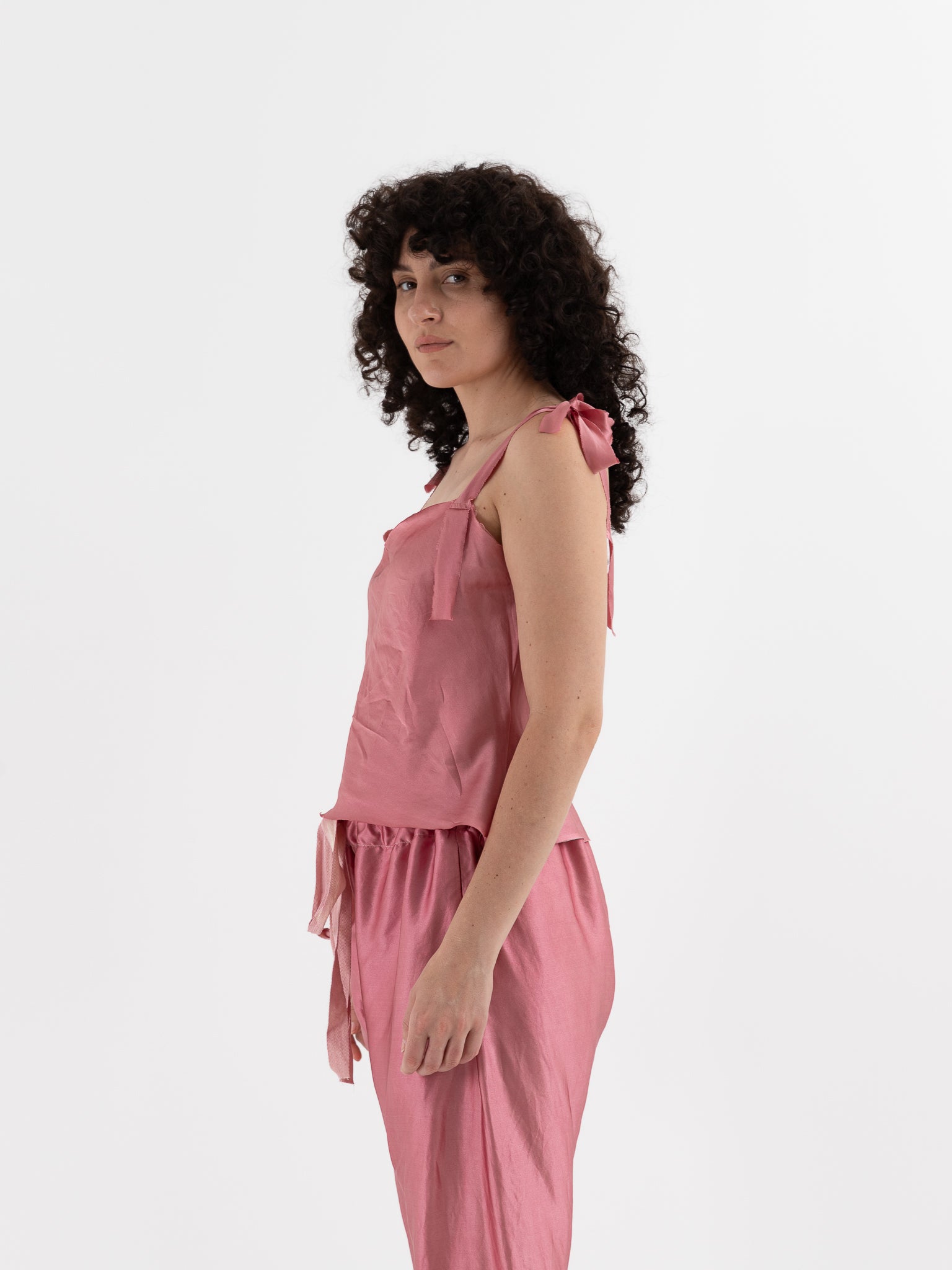
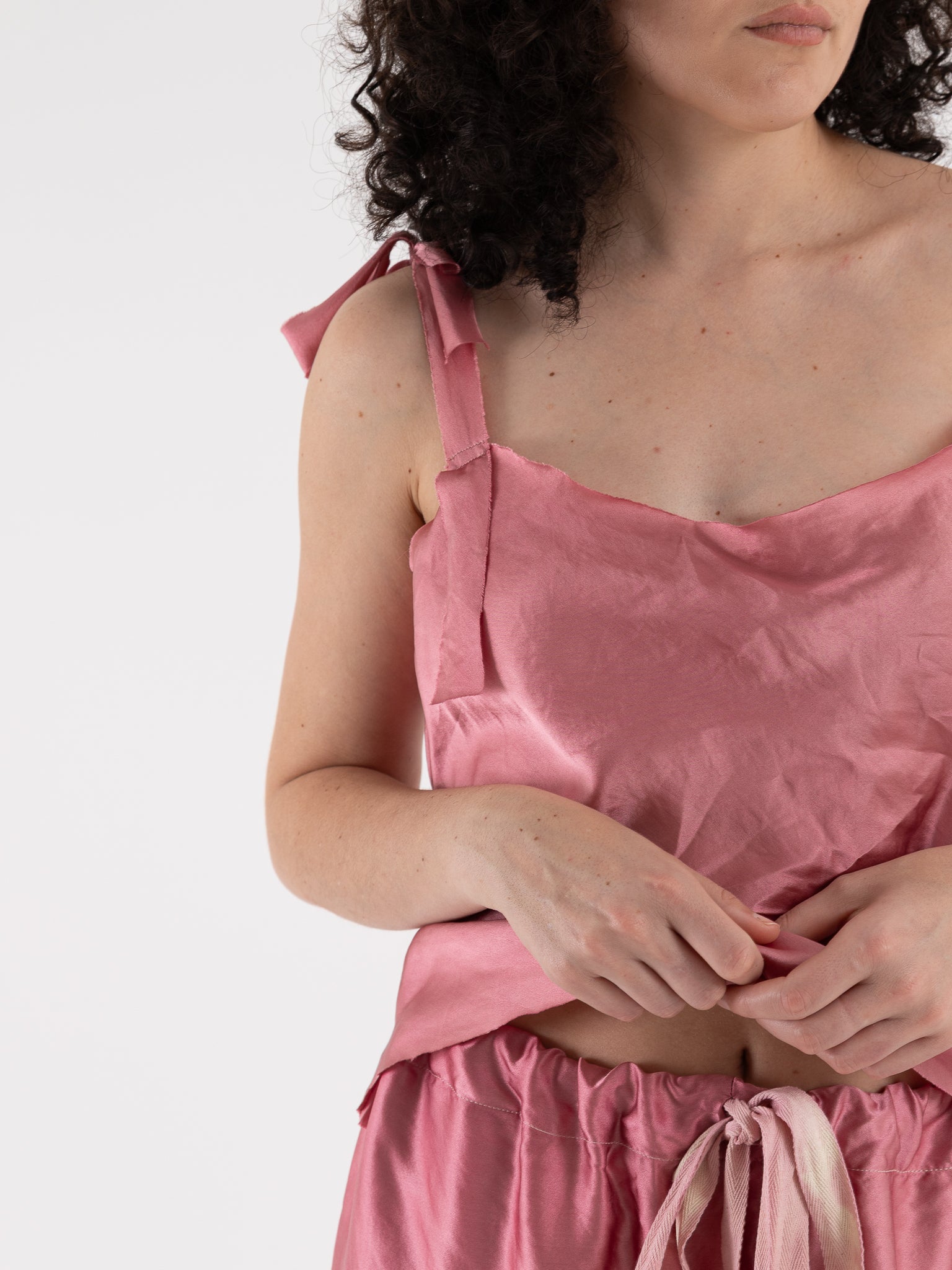
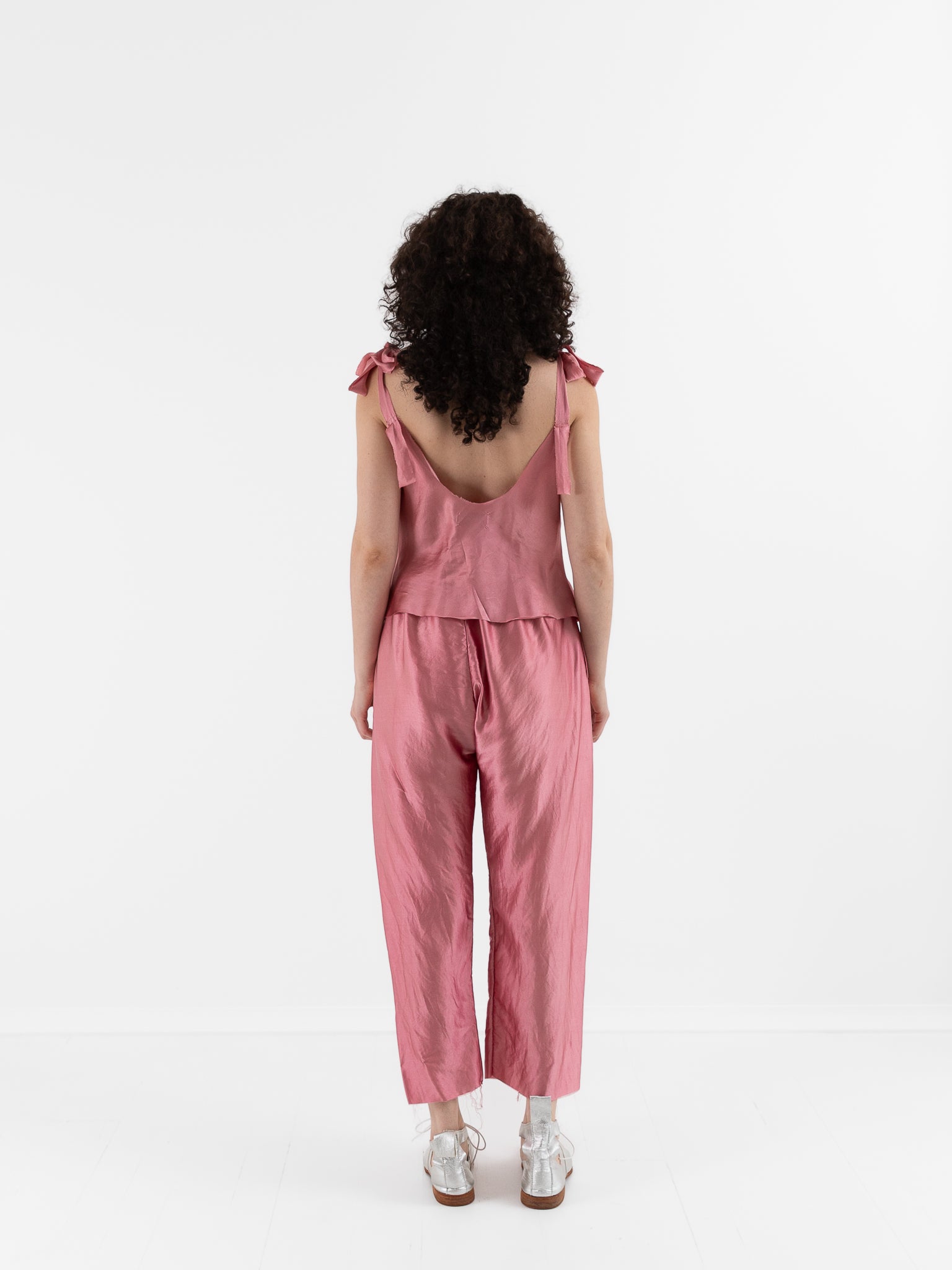
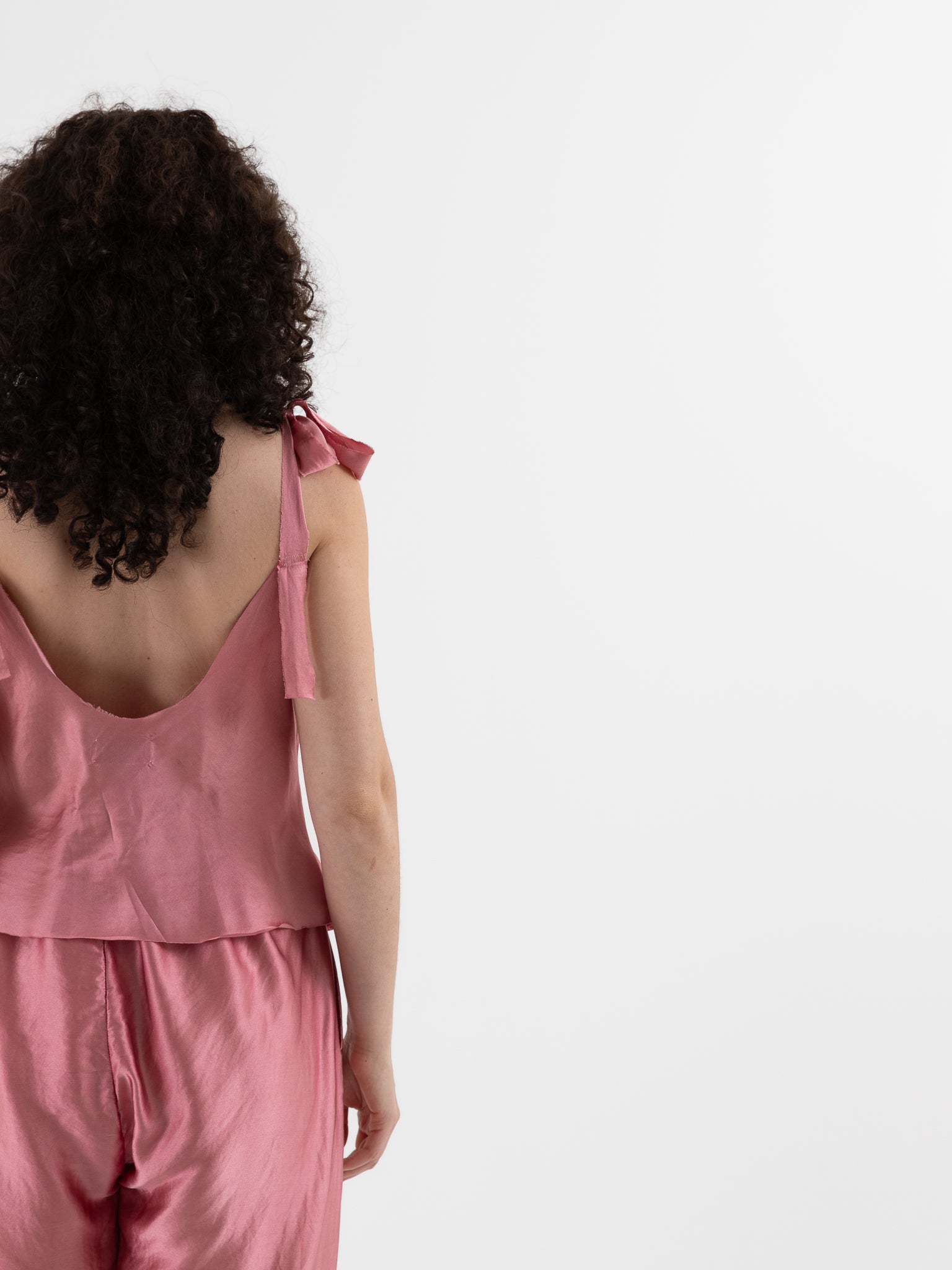
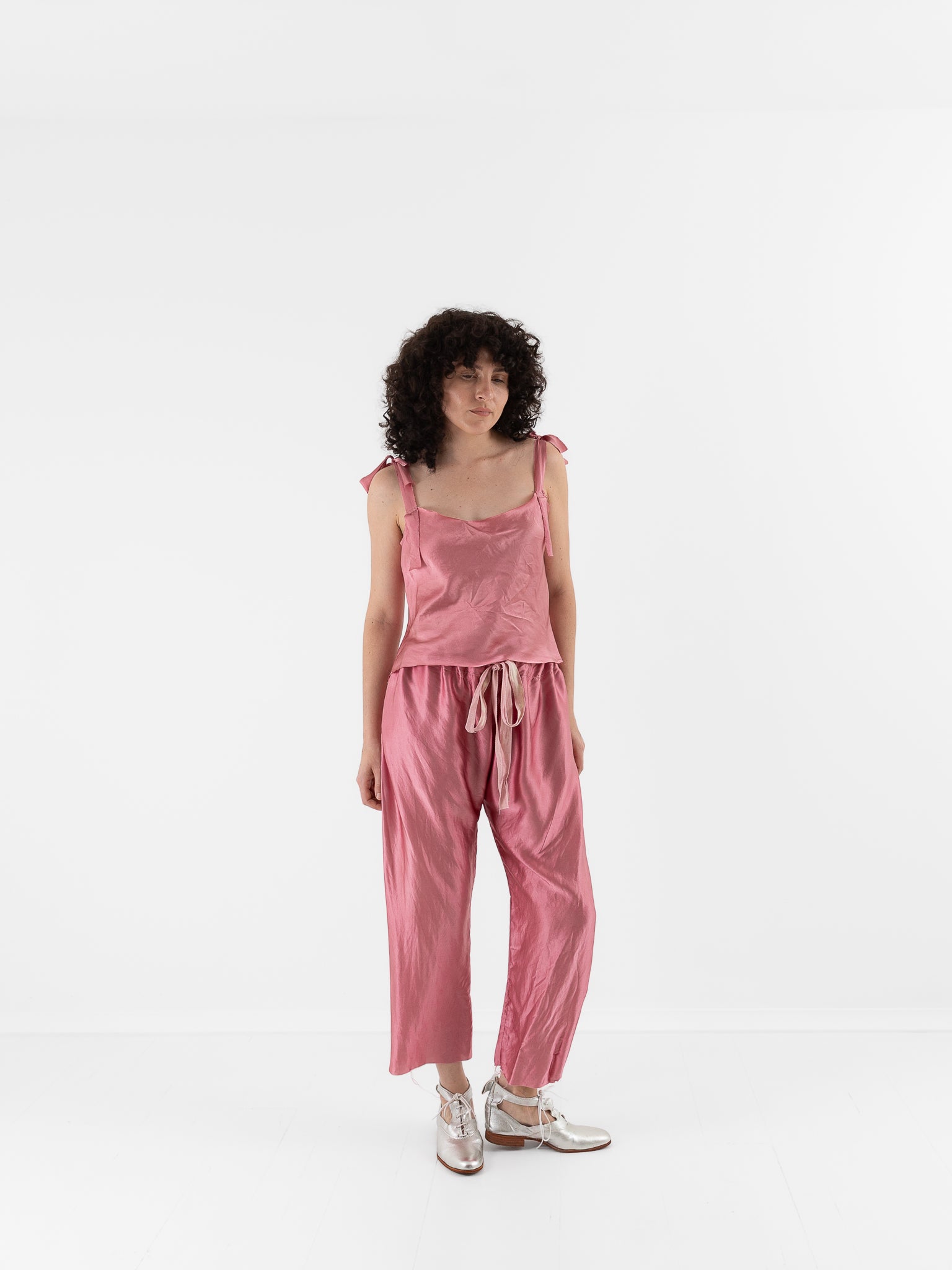
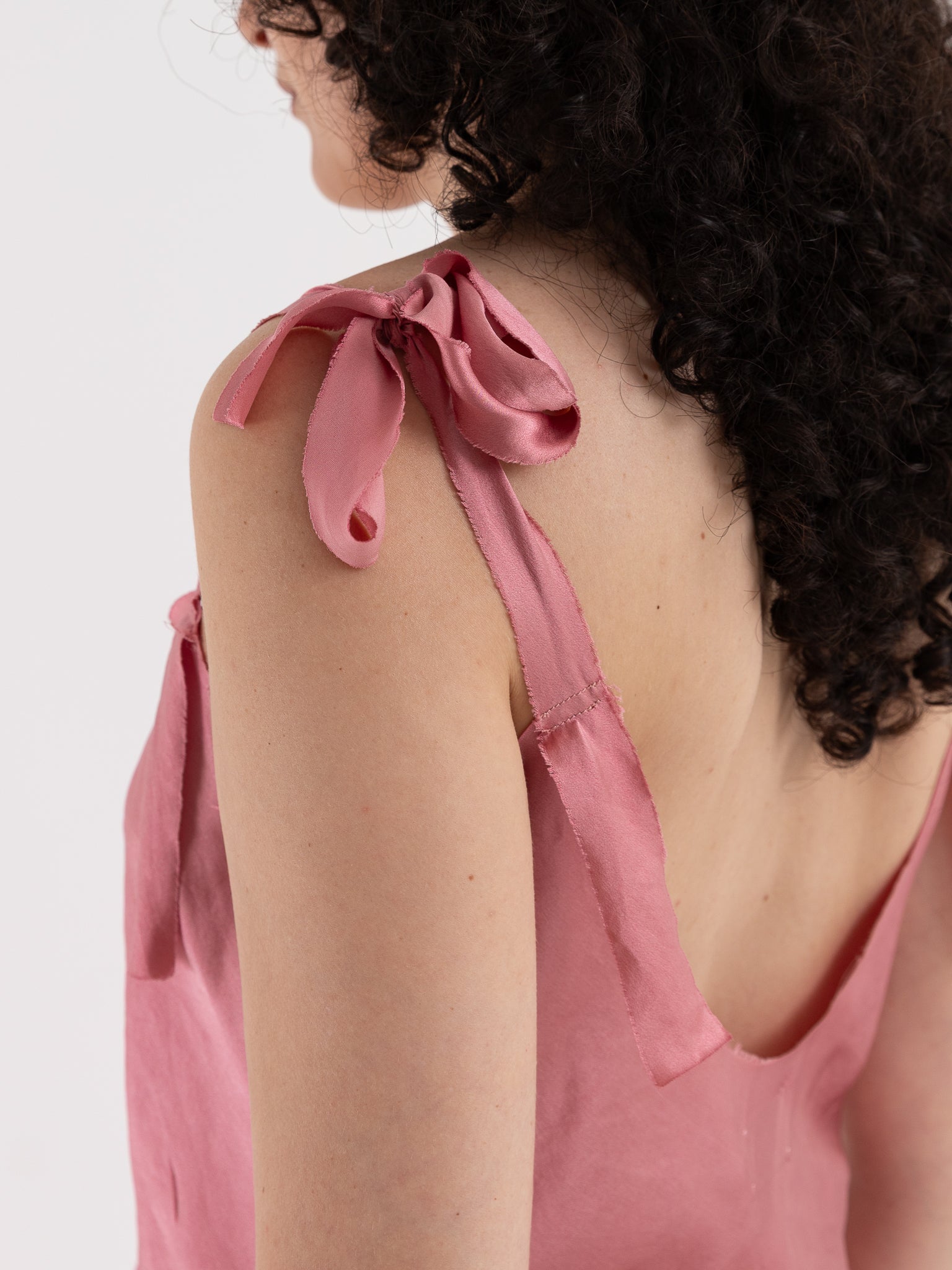


"Our approach combines traditional craftsmanship with modern technical know-how. We create meticulous and elaborate handmade products, with a characteristic aesthetic of imperfection and a distinctive treatment and finish. Each piece is unique, and all customers should feel the same when wearing our hats and garments."
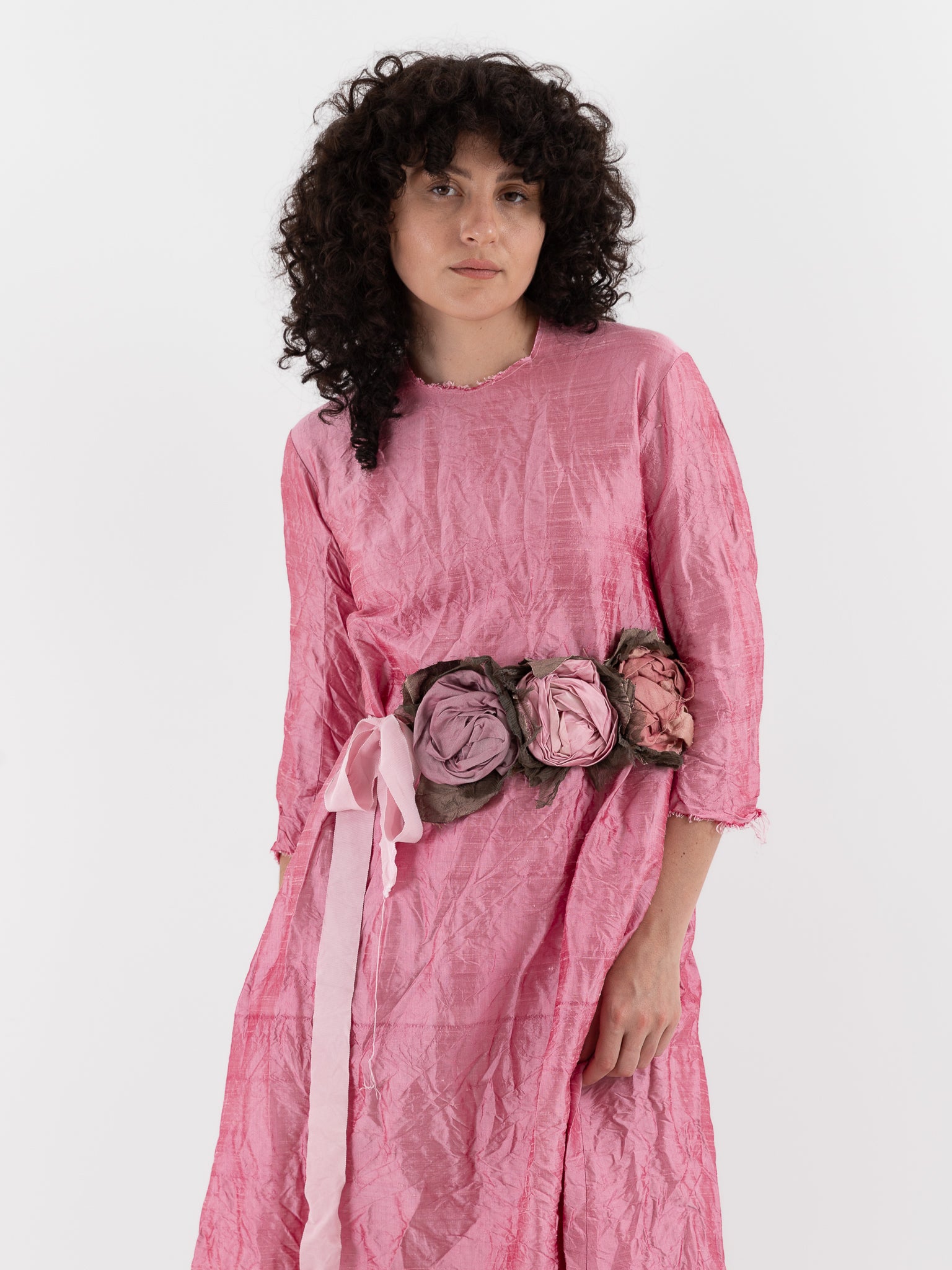

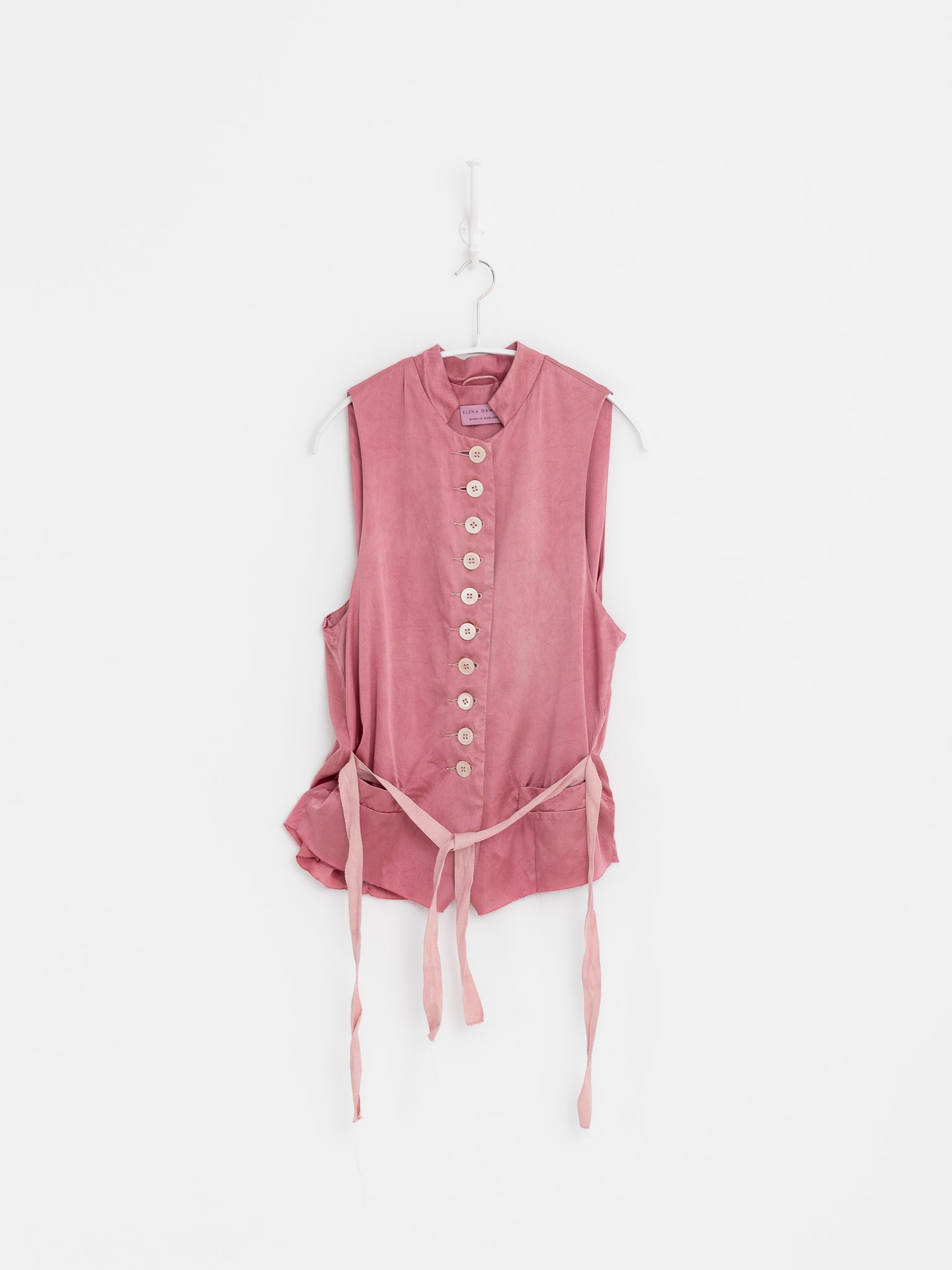
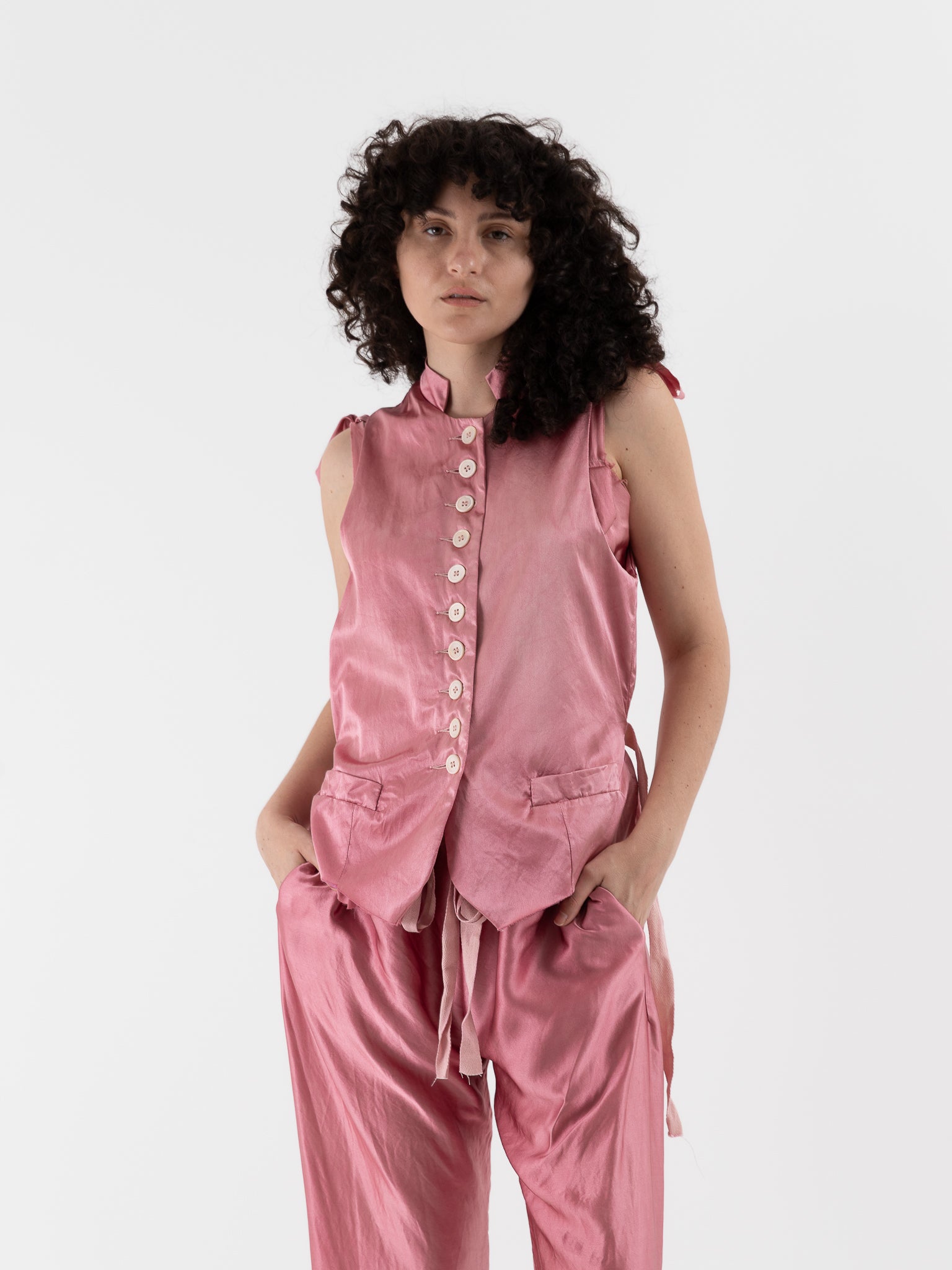
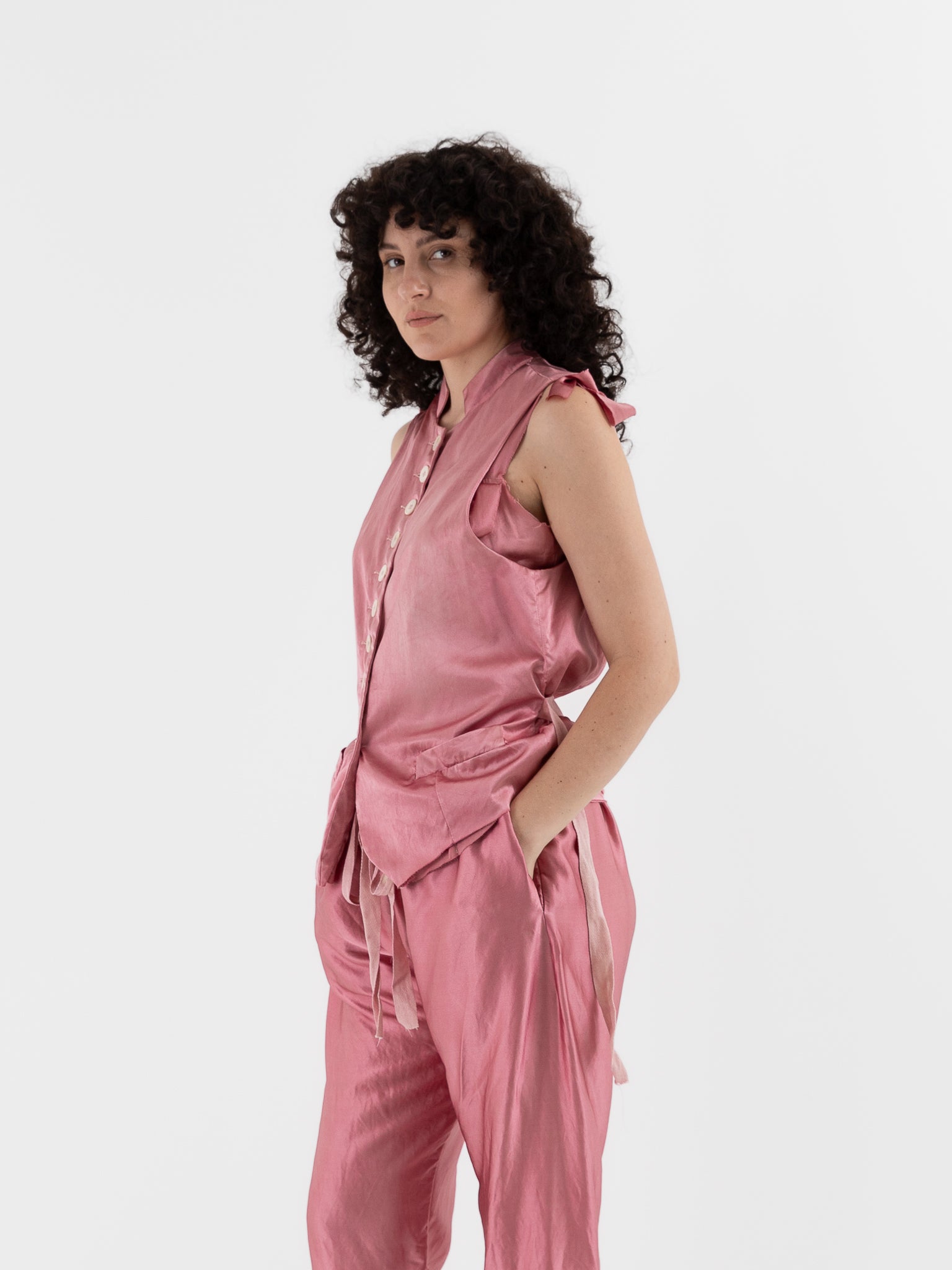
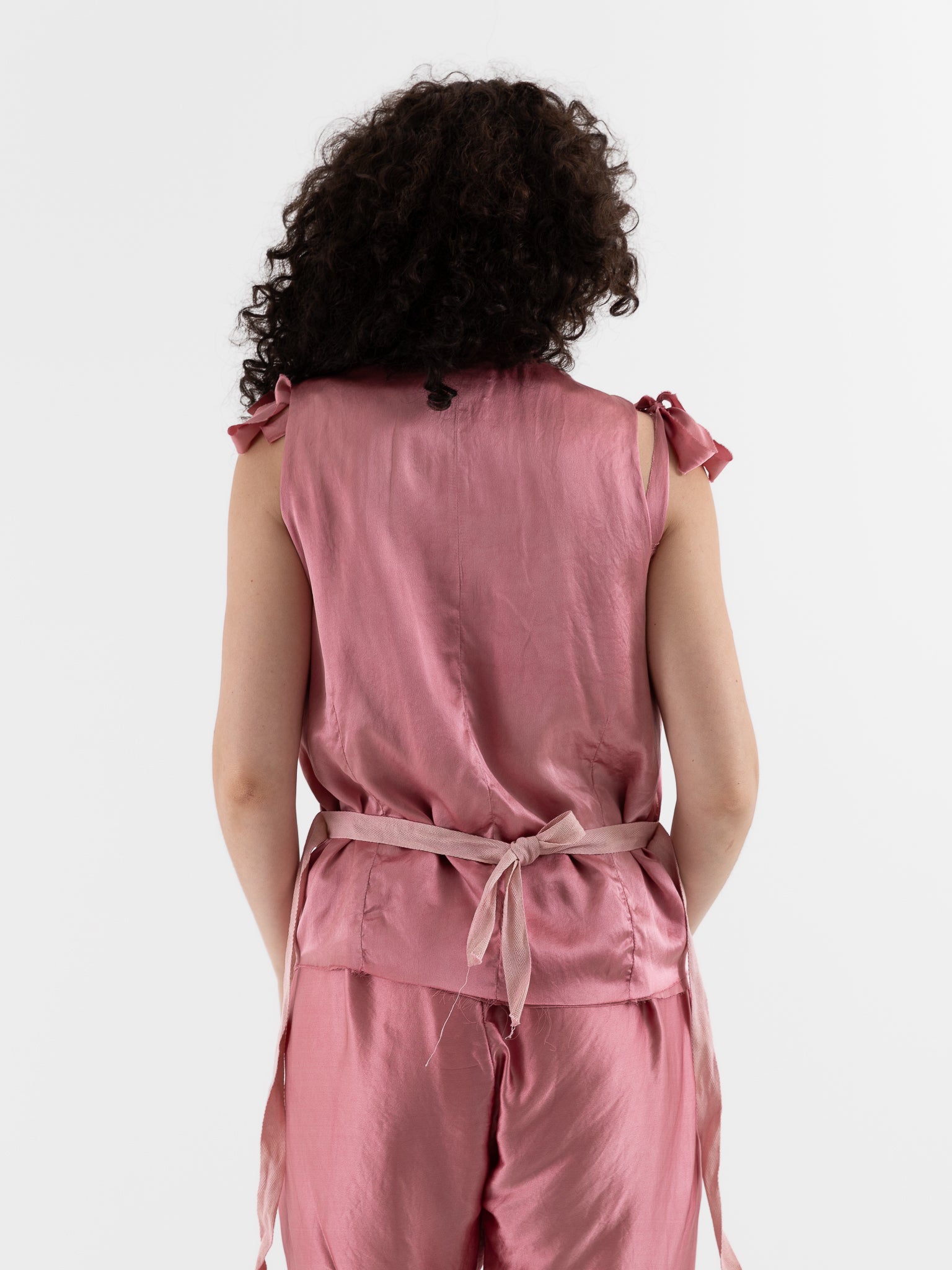
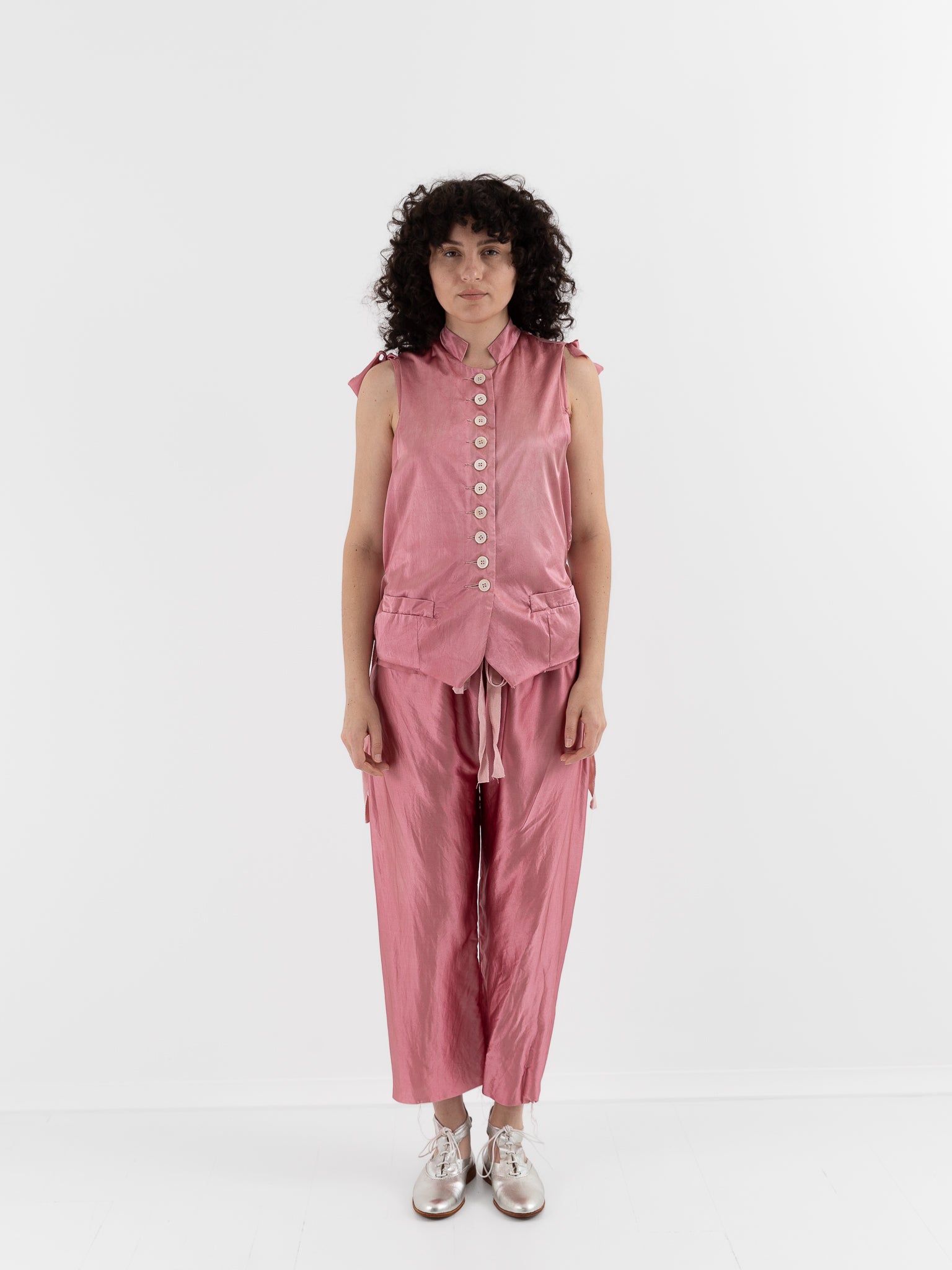
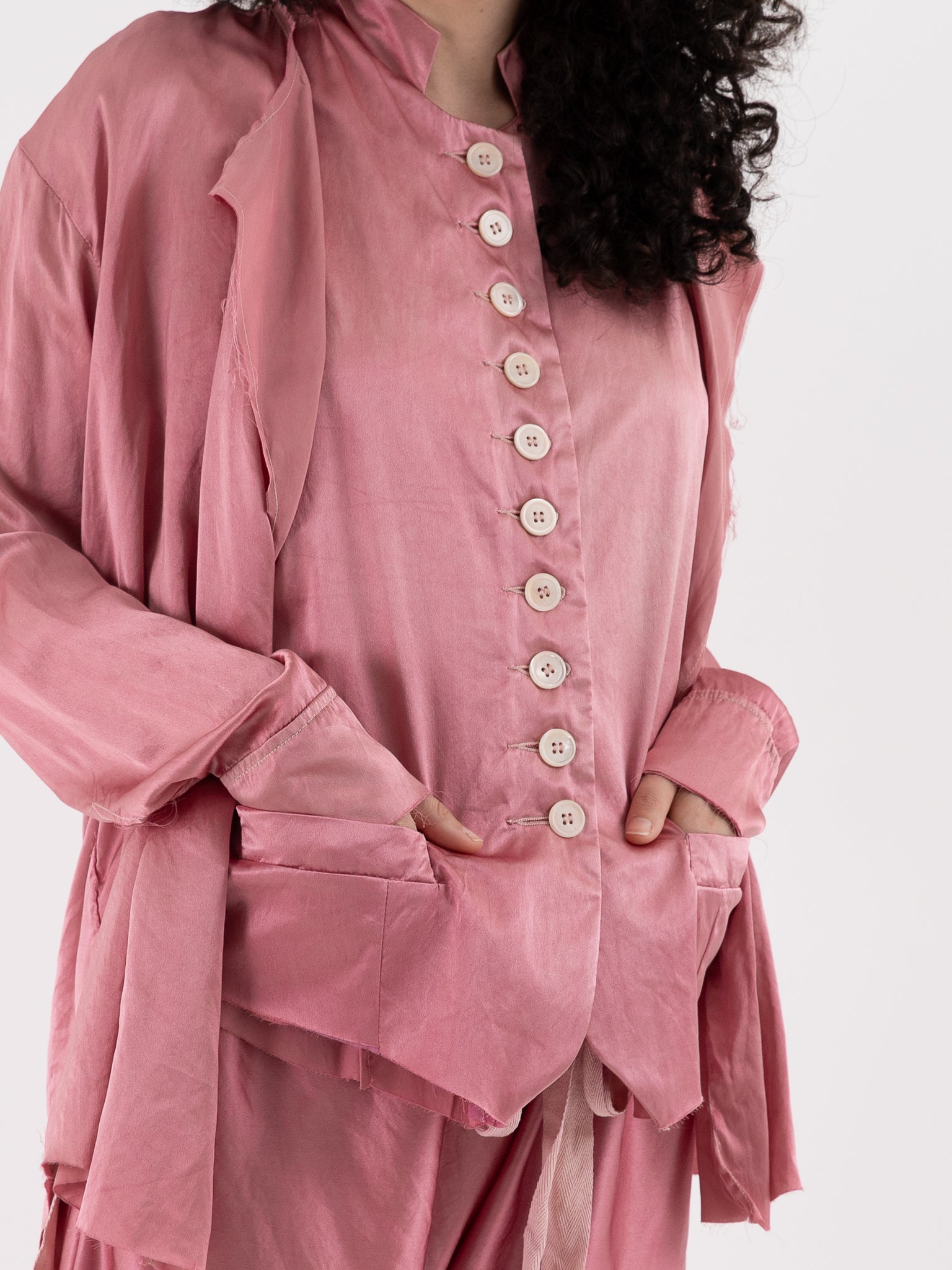
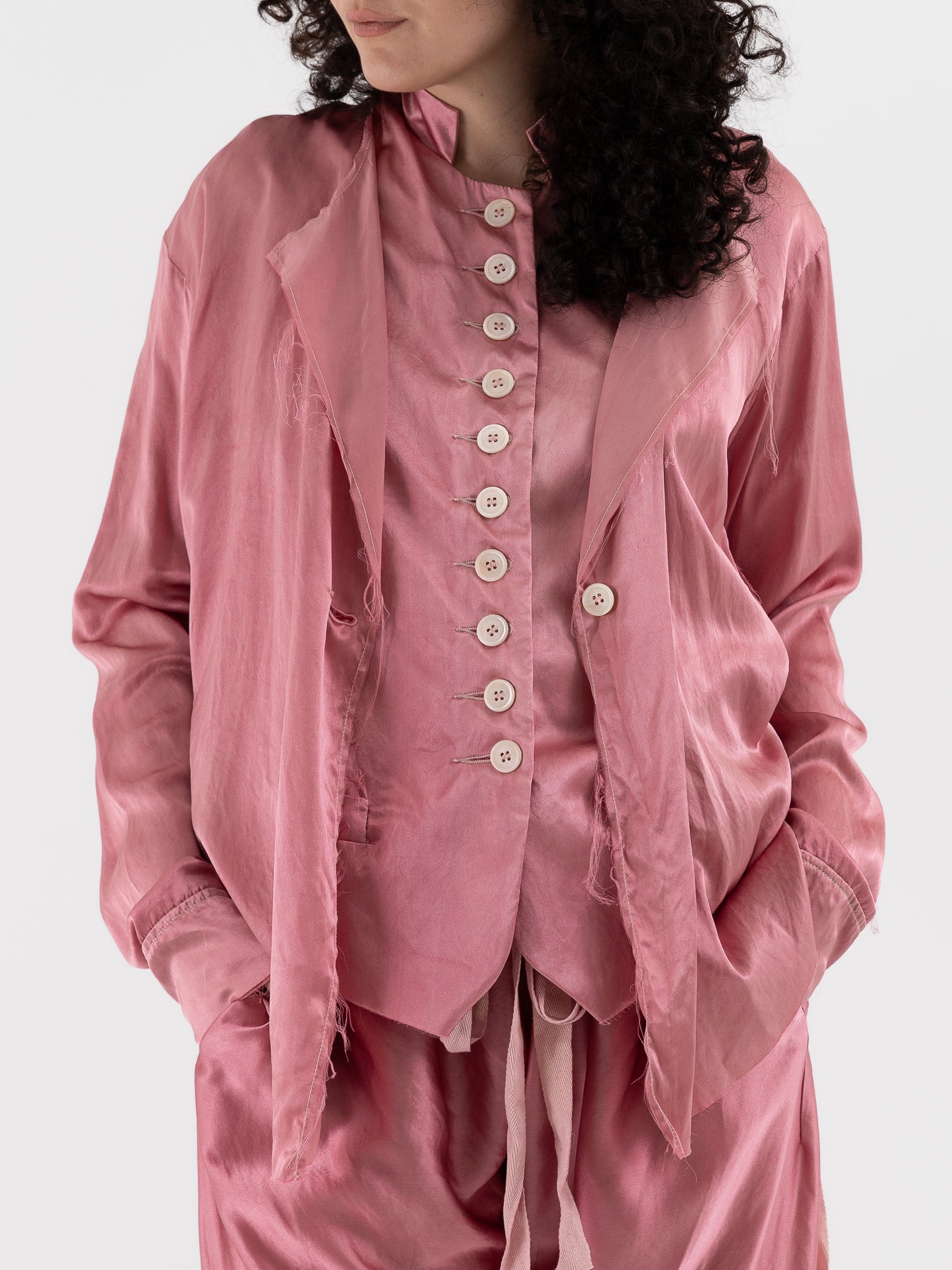
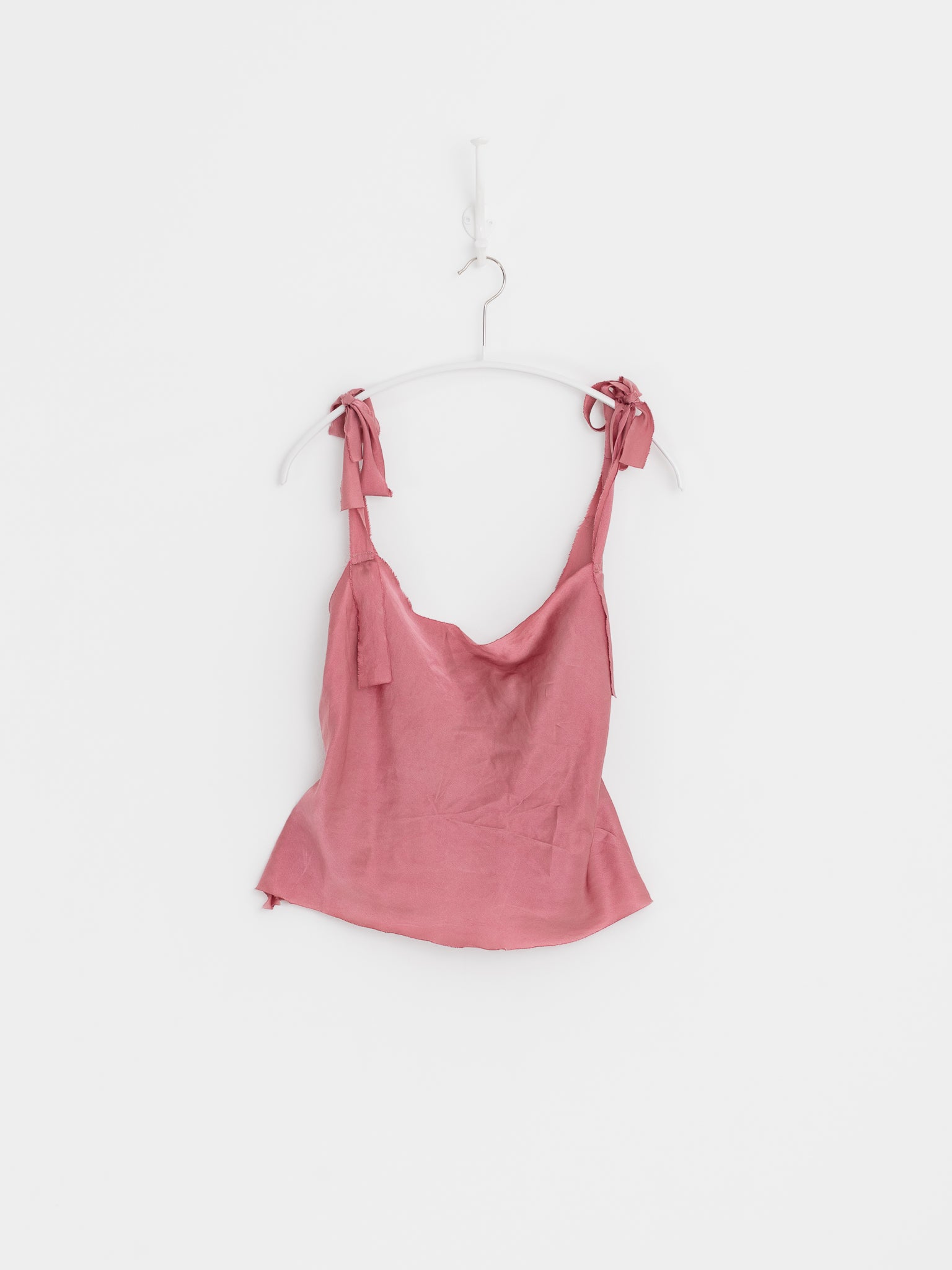
UK-based designer Elena Dawson has been creating semi-deconstructed frocks in her East Sussex studio since 2006. This limited collection features the classic "ED pink" in silk satin, relaxed and light silhouettes, and a small selection of handmade silk rose accessories.


The materials used in these shoes are washed, boiled, wrinkled, and manipulated to create interesting and unusual textures. Each piece is a unique item or part of a very limited batch assembled entirely by hand, and finished with her signature silk or cotton gauze laces.
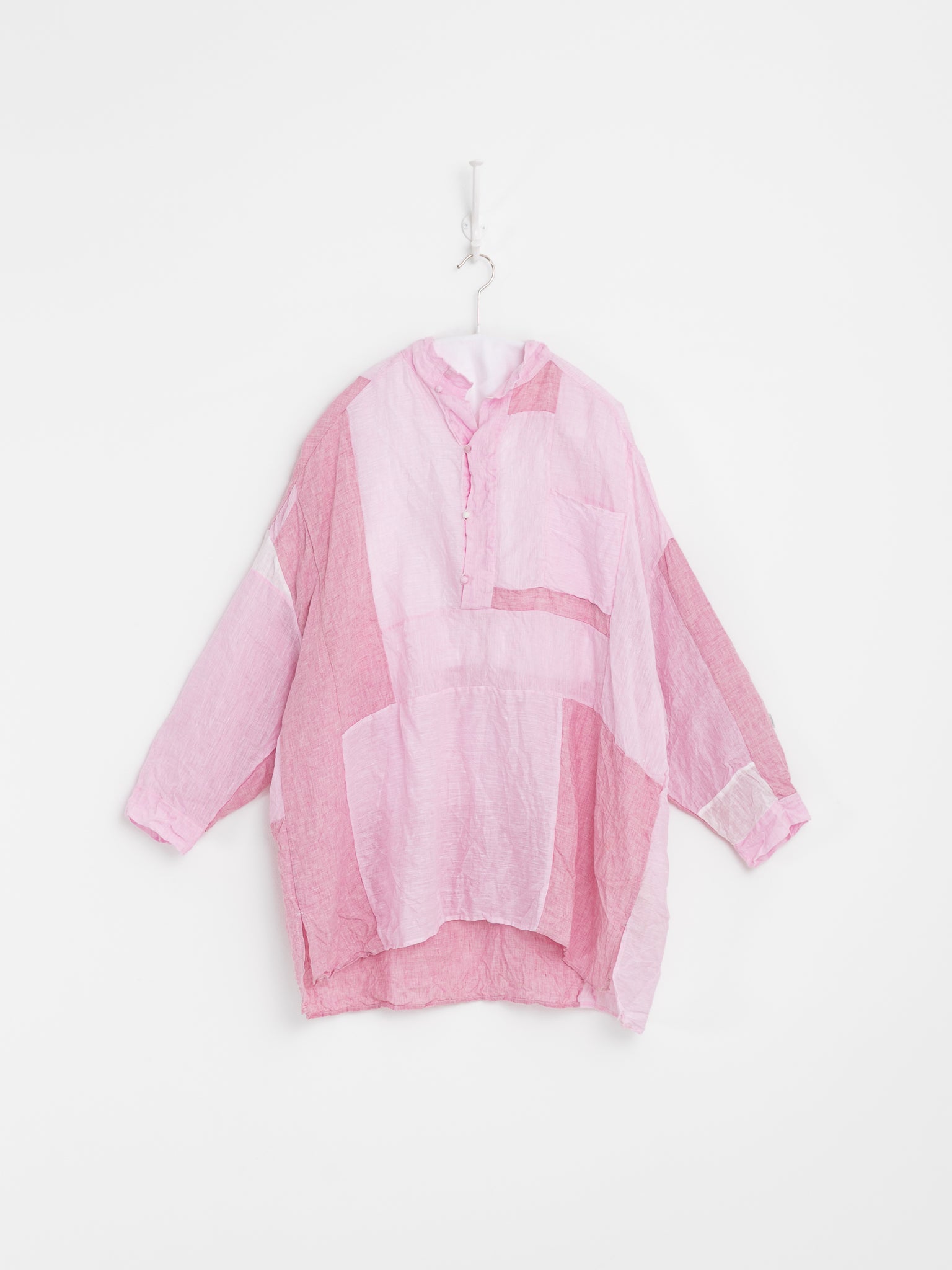

"Making clothes to me is like writing a letter to my customers. Like unaddressed letters rolled up in a bottle, and thrown into the sea. Where will they end up? Who will they reach?"
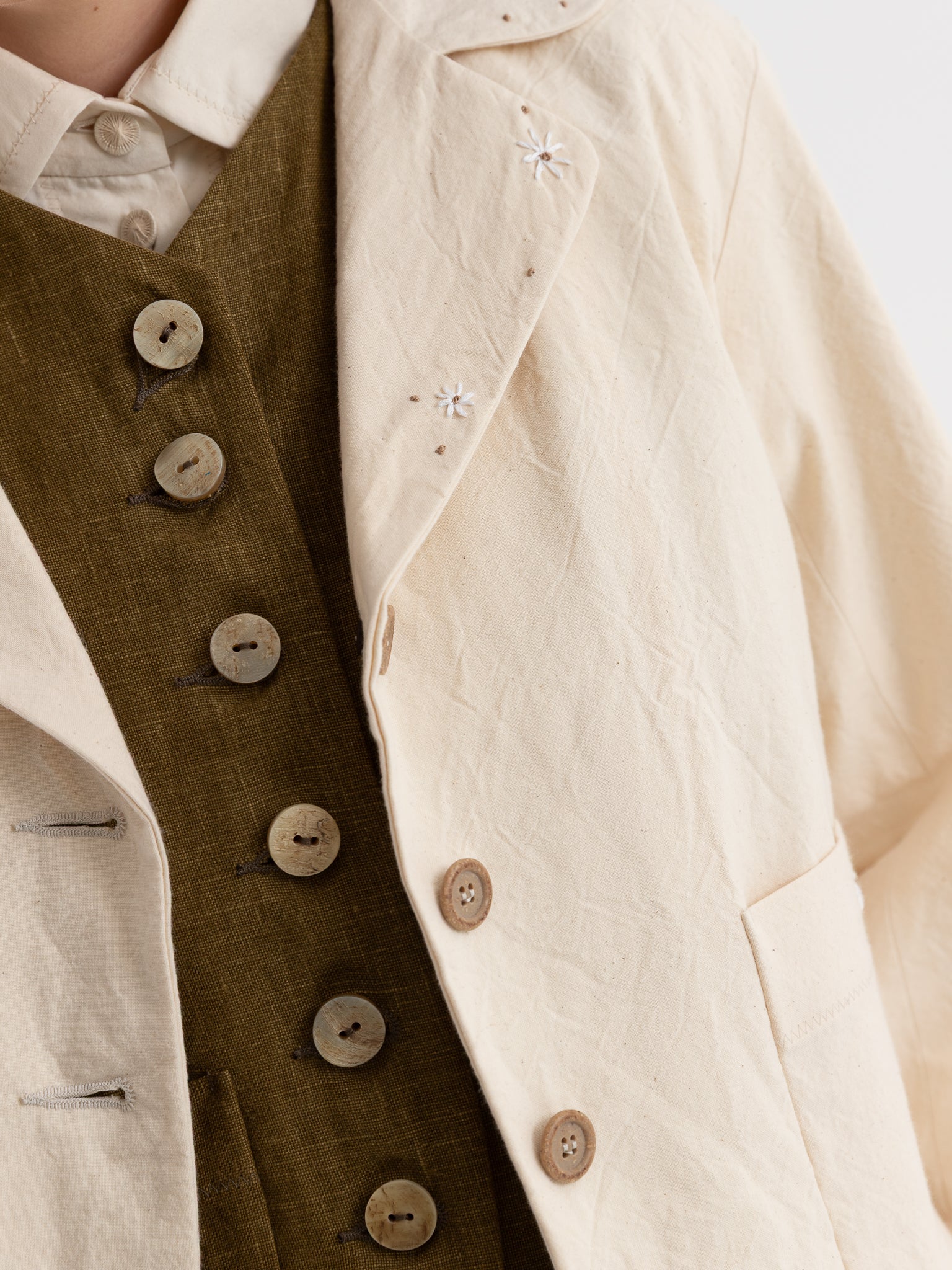
Artisan unisex clothing for everyday life in natural fabrics with special handmade buttons.
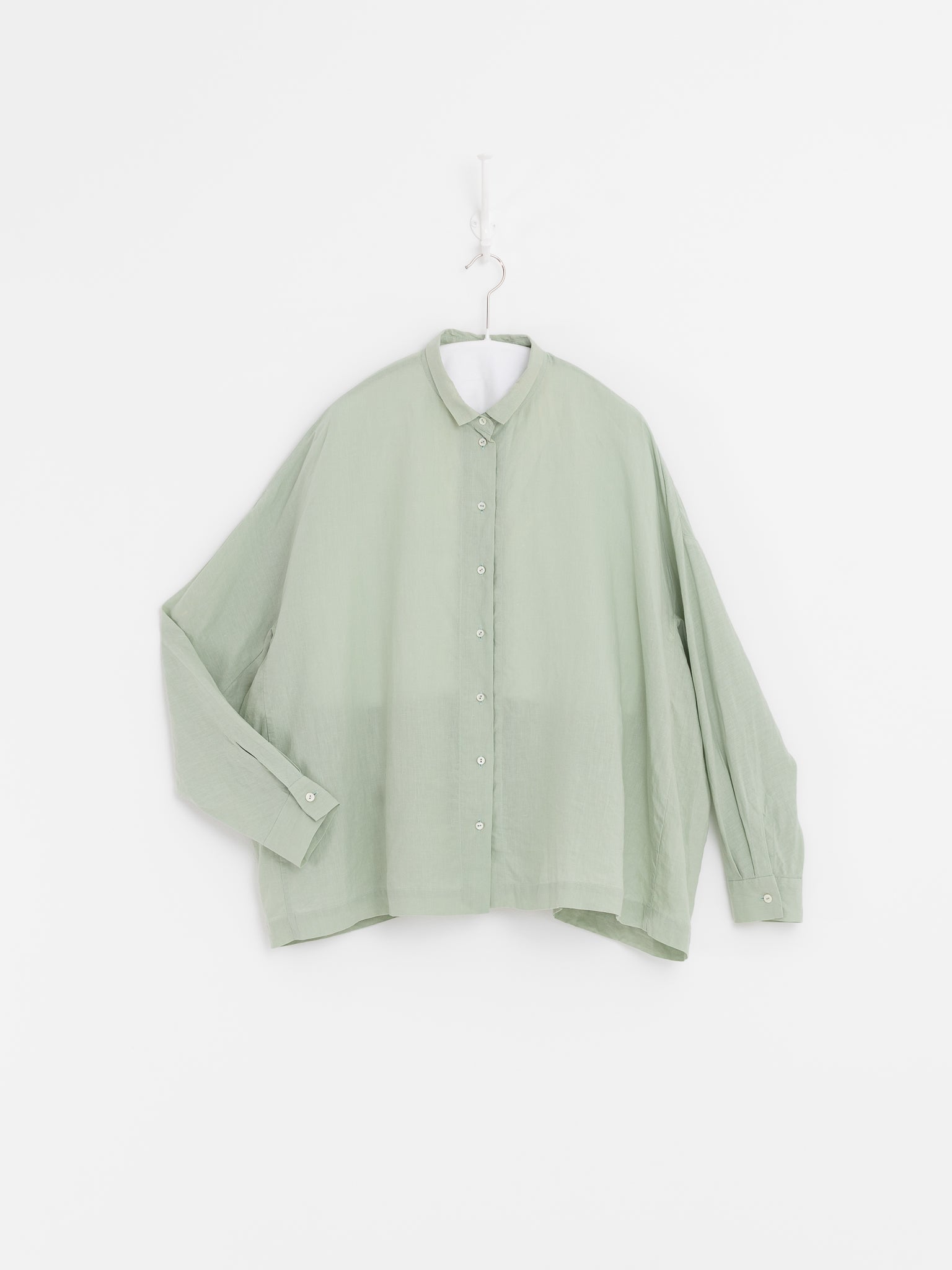

Arts & Science epitomizes the Japanese approach to design, with a blend of understated elegance and functional luxury."
Clothing that seems to be everywhere, yet remains elusive. When you look for it, it isn’t easily found. Yet somehow, your hand instinctively reaches for it in the closet. And the final piece to complete it is the wearer of the garment."
The balance between beauty and functionality is paramount to A&S.
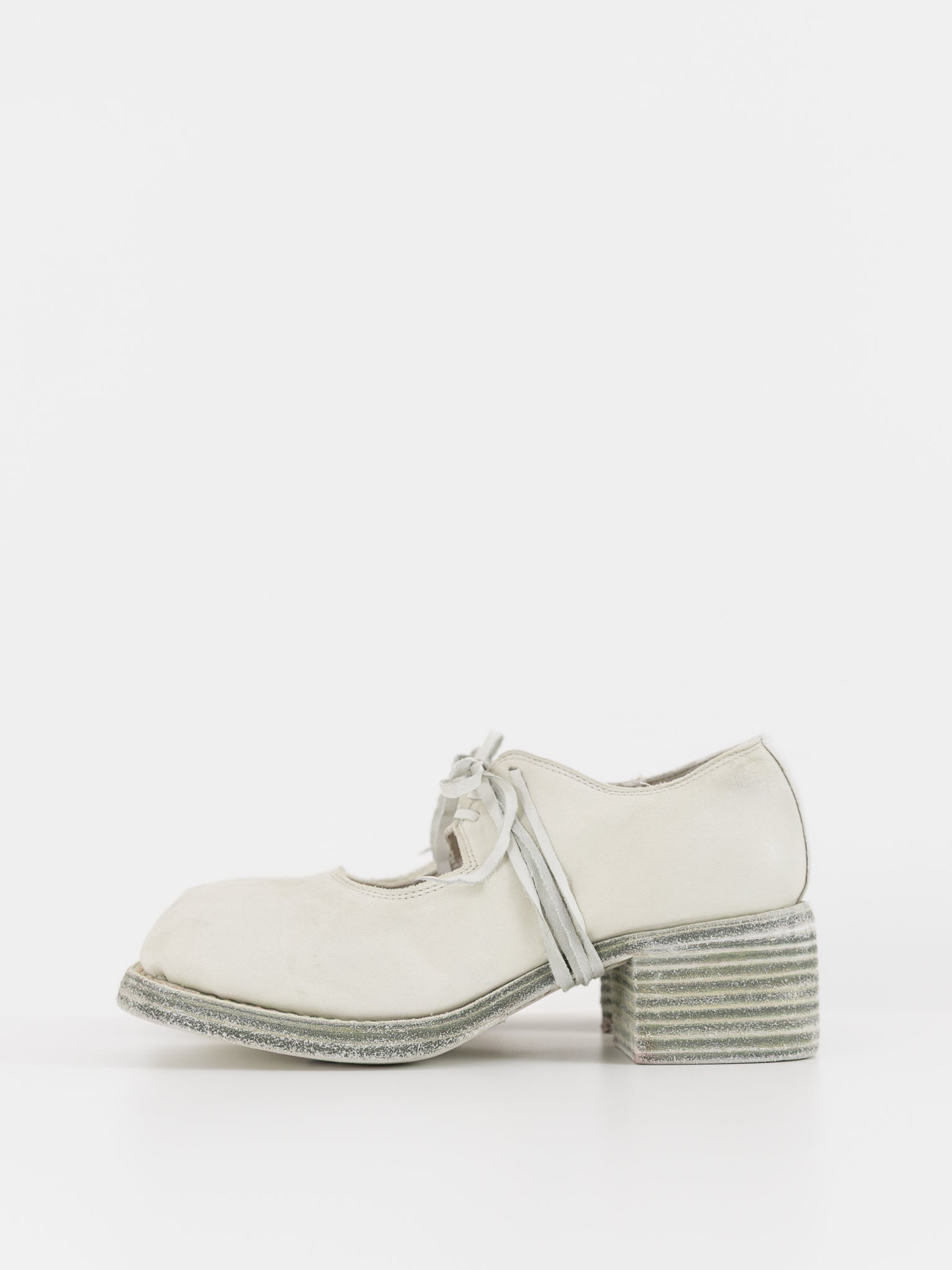

Established in 1896 and still family-owned, Guidi shoes and bags are entirely handmade and ‘object-dyed’ - dyed after assembly. Guidi is know to be one of the highest quality suppliers in the world, still refusing the mass production logic.
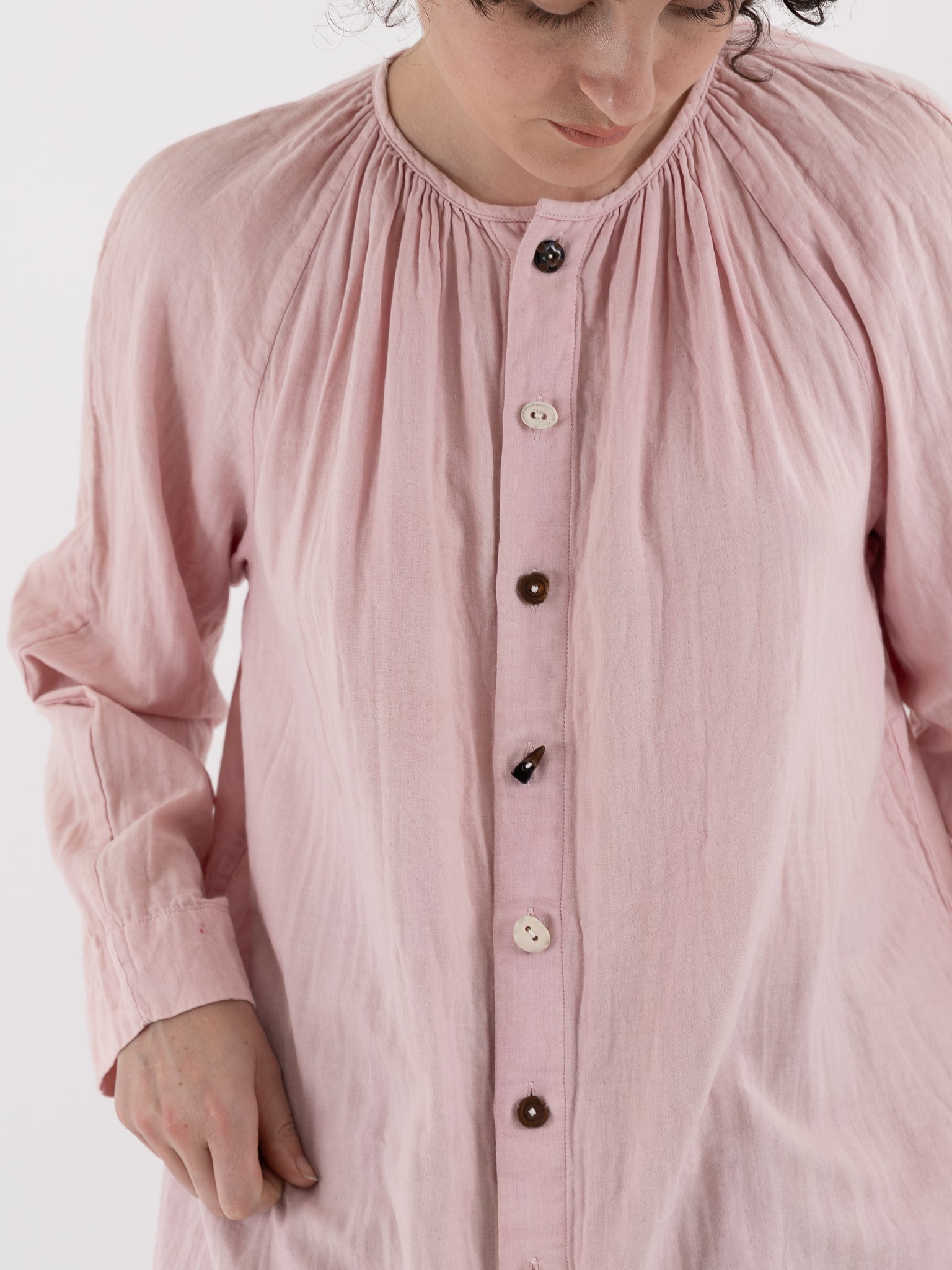

Designer April Mai uses raw and naturally dyed materials in her clothing, bags, shoes, and home goods. There is no uniformity to the The Backward Vendor and pieces may be made only once or twice - dependent on the spirit and the direction of the time and material sourcing. Buttons are handmade and intentionally mismatched.


John Alexander Skelton is an artisanal British menswear designer and alumni of the prestigious Fashion Design MA at Central Saint Martins London. His work stems from an extensive interest in the sociopolitical effects on fashion and culture within specific contexts of struggles between class, past and present.
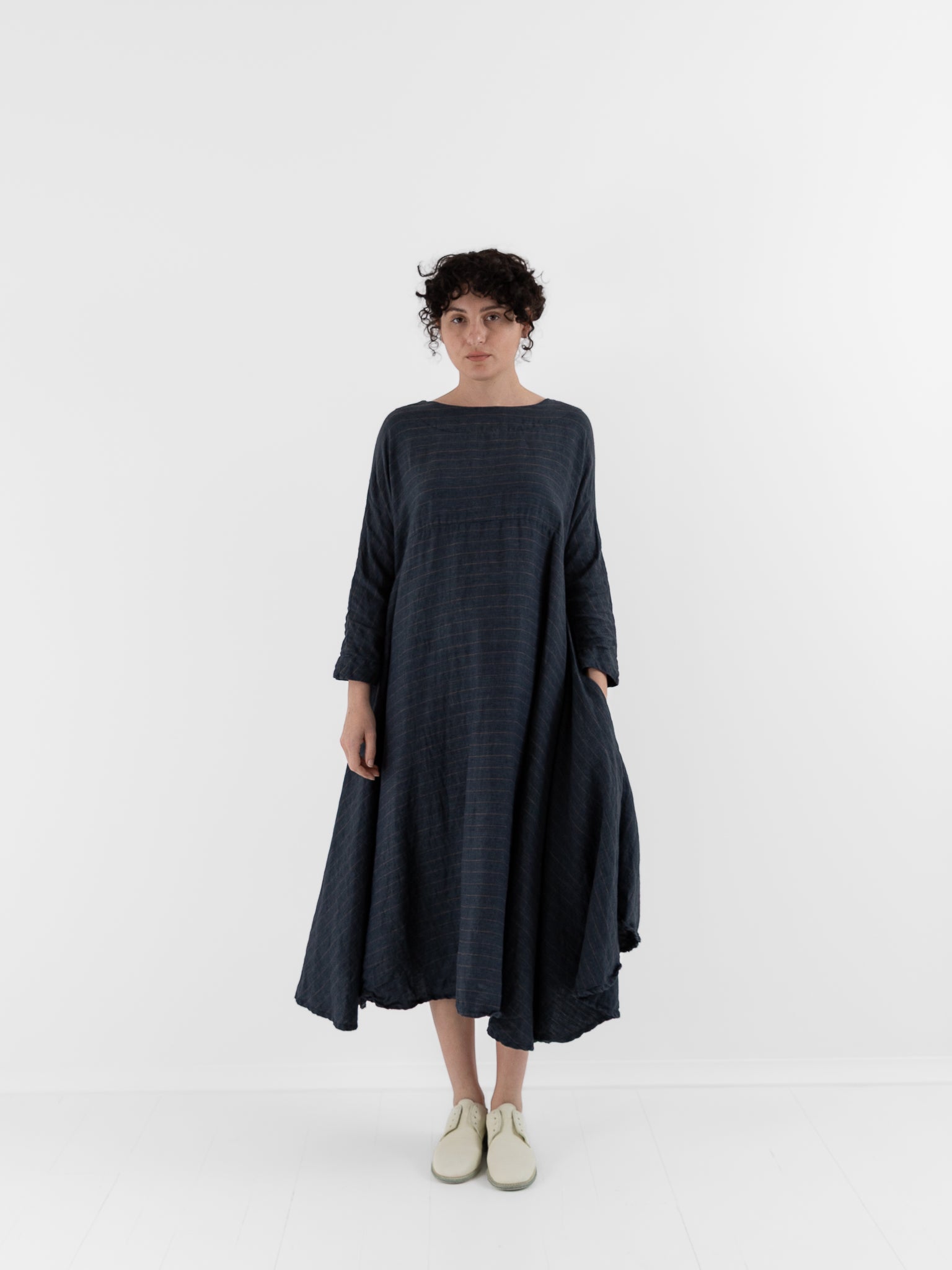

New arrivals for the warmer months with a windowpane linen, self-checked cotton, and a striped linen in our favorite silhouettes.


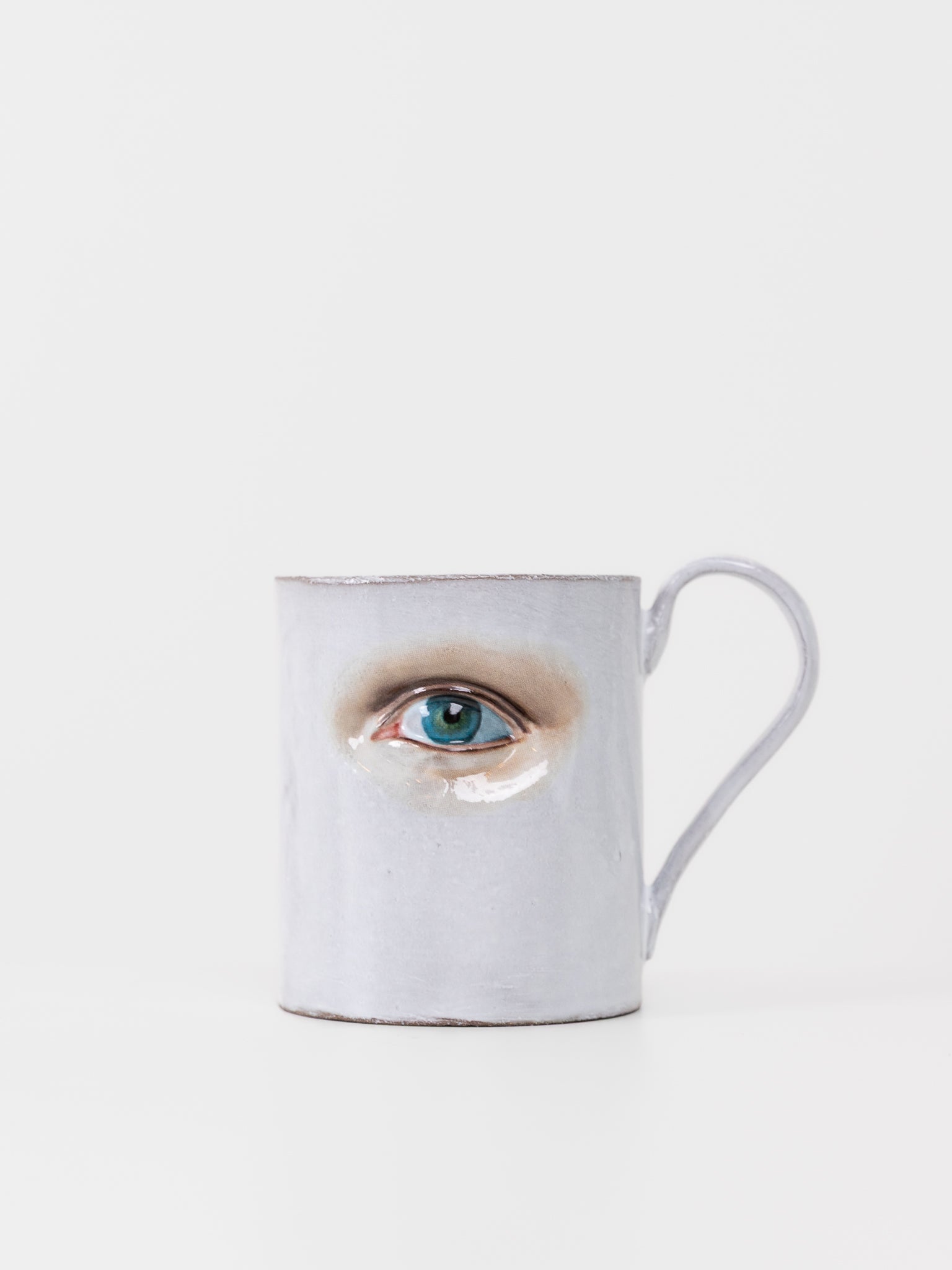
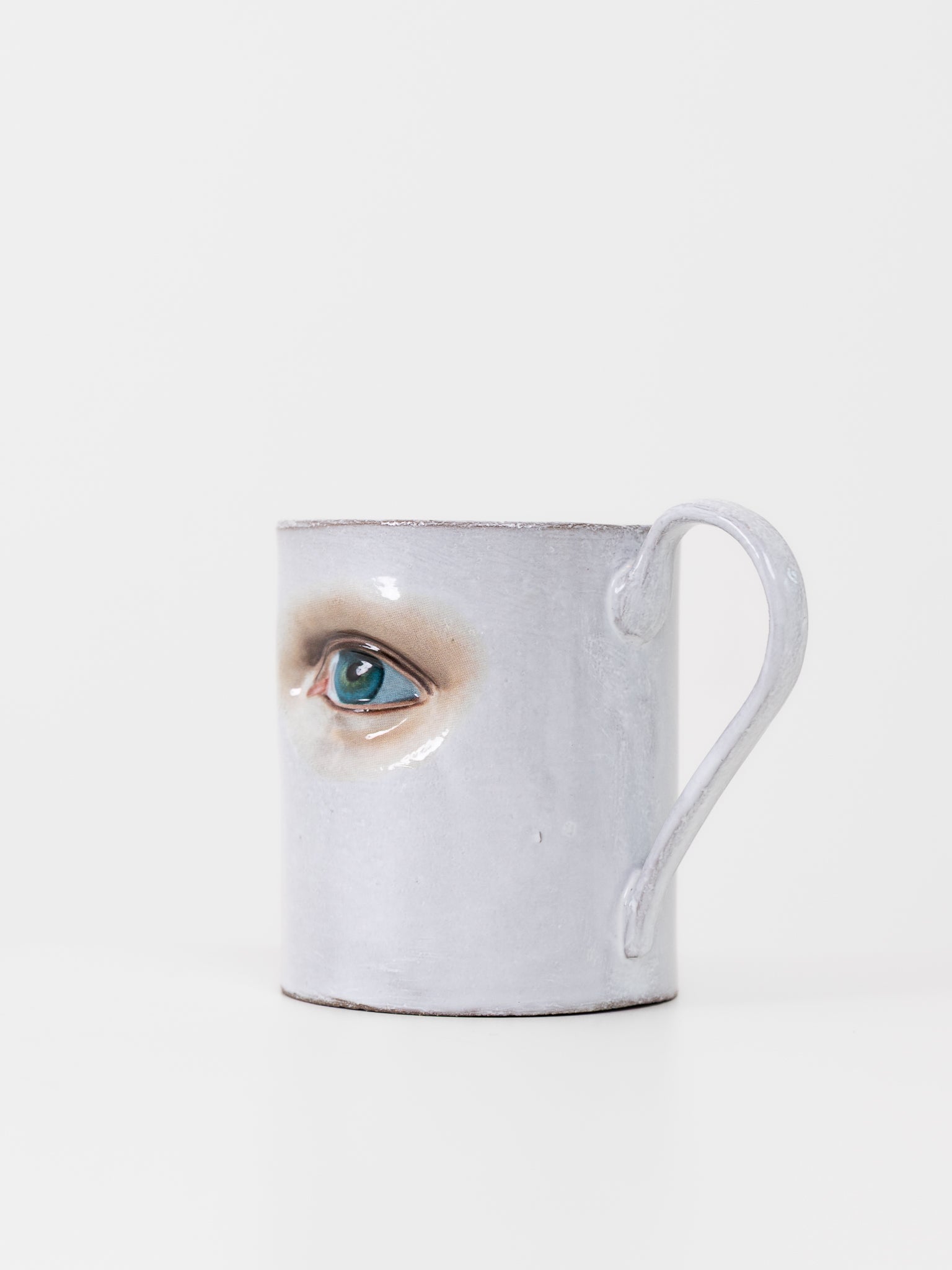
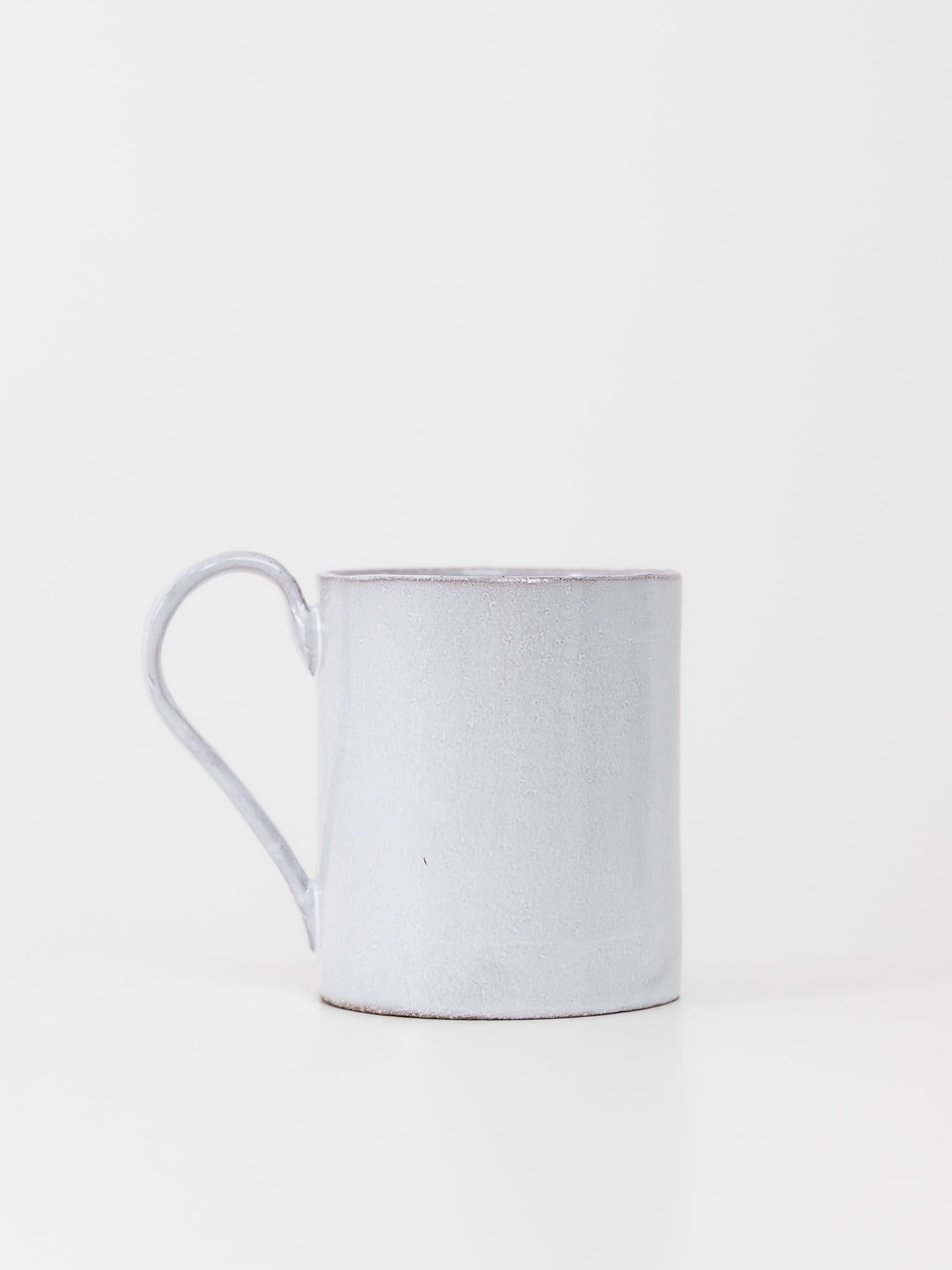
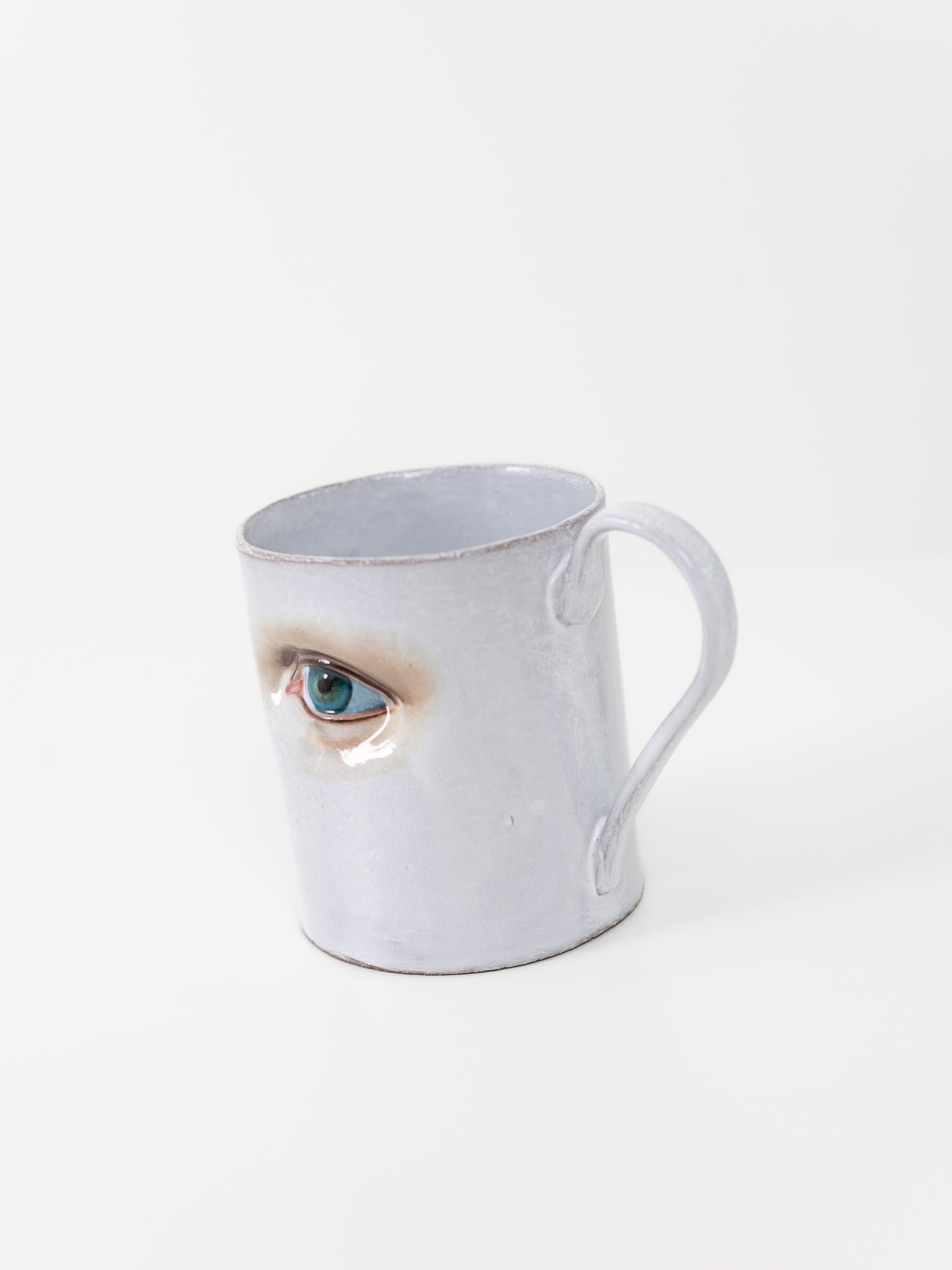
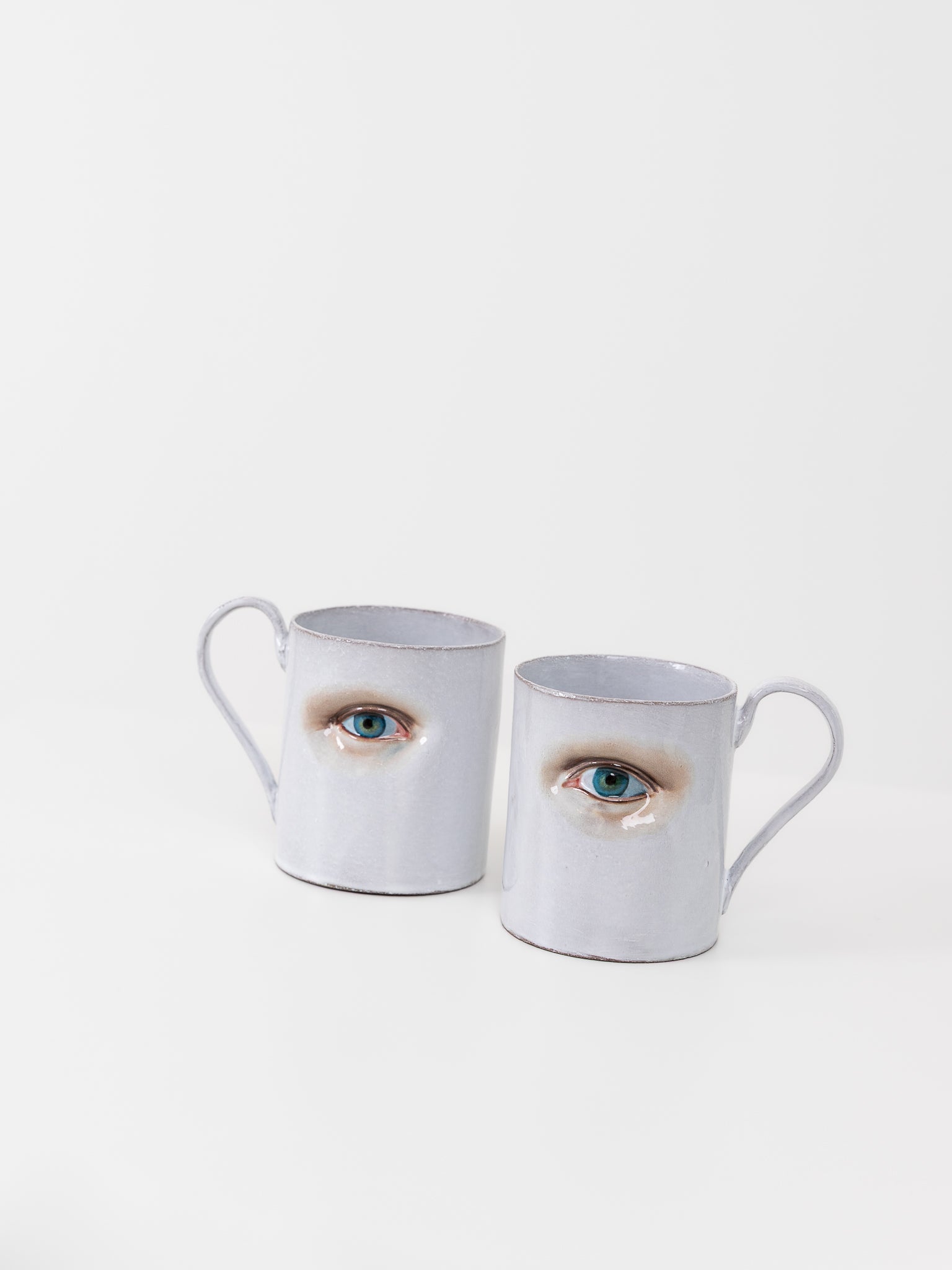
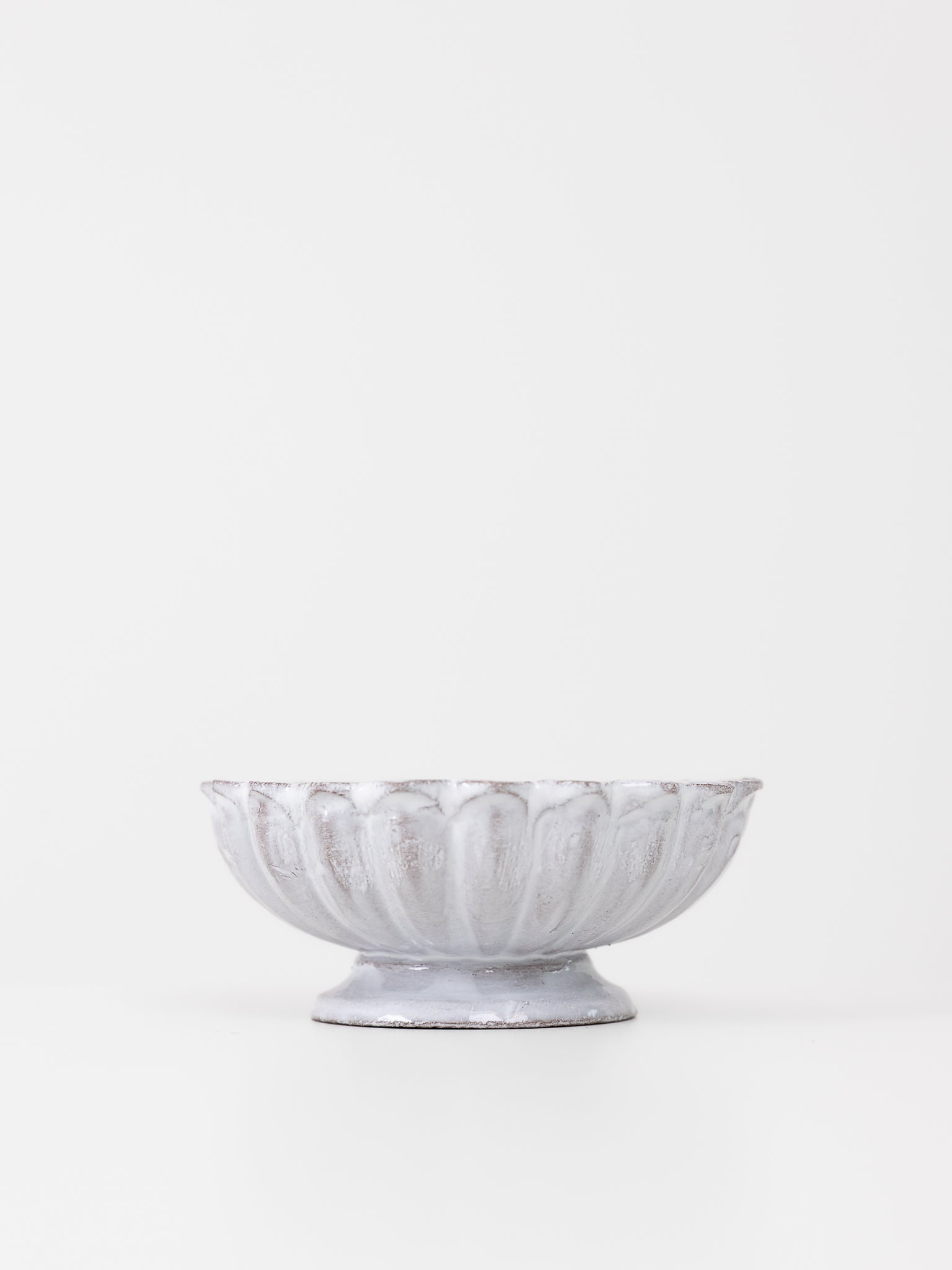
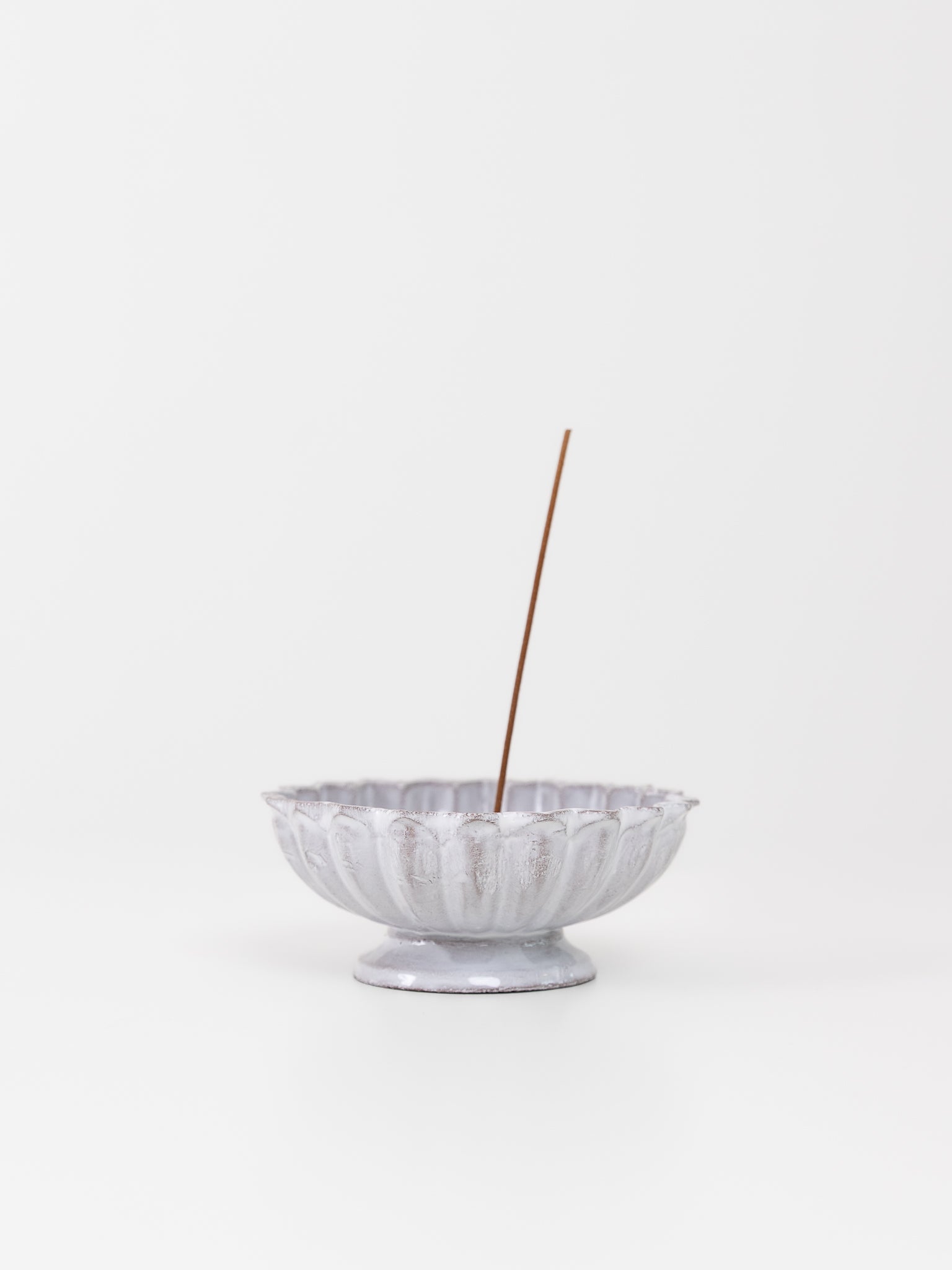
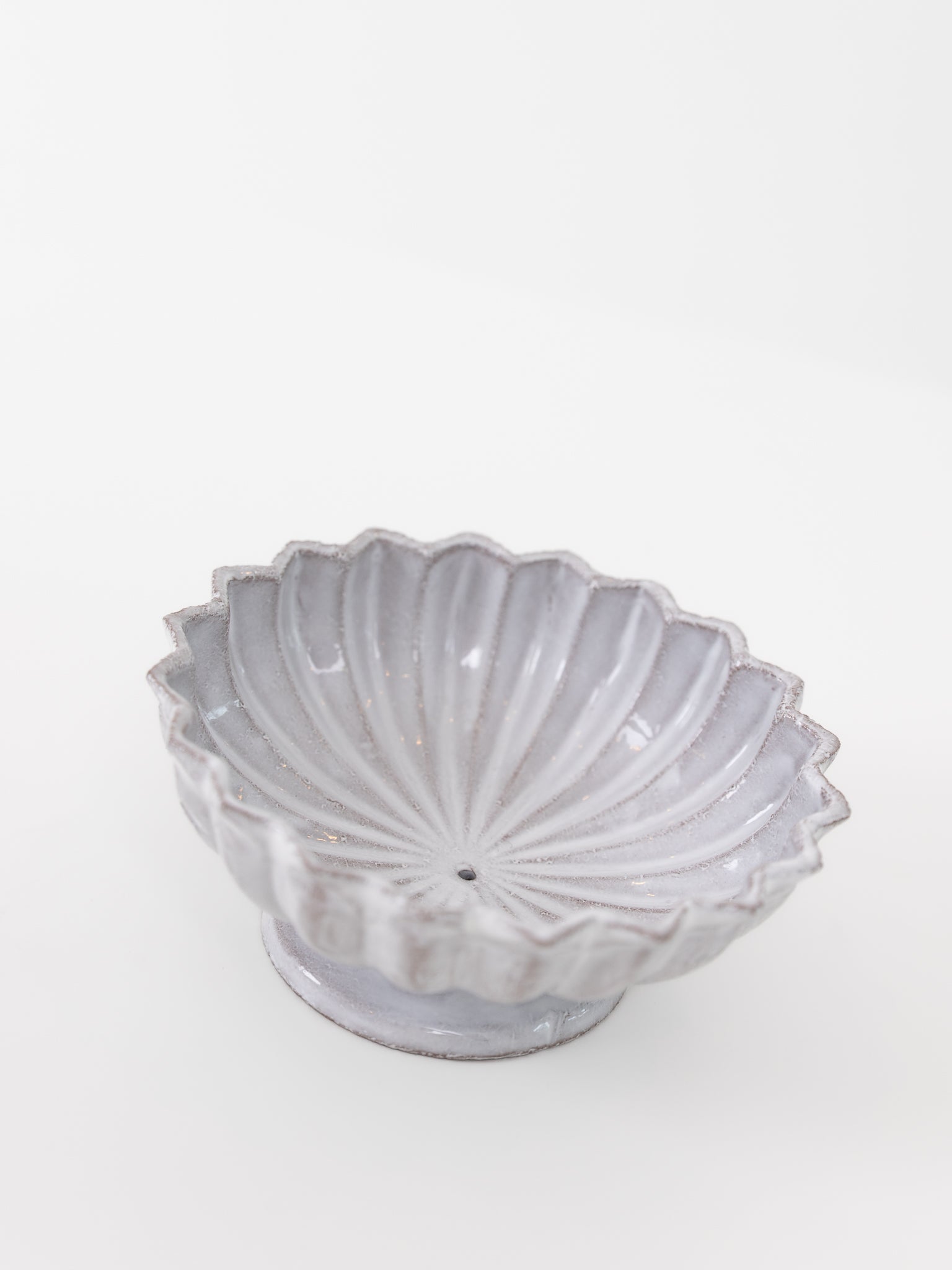
Hand molded from black terracotta on the Rue St. Honore, each ceramic piece from Astier de Villatte is finished in a milky-white glaze that highlights the unique character of the clay, celebrating its imperfections and ensuring that no two pieces are exactly alike.
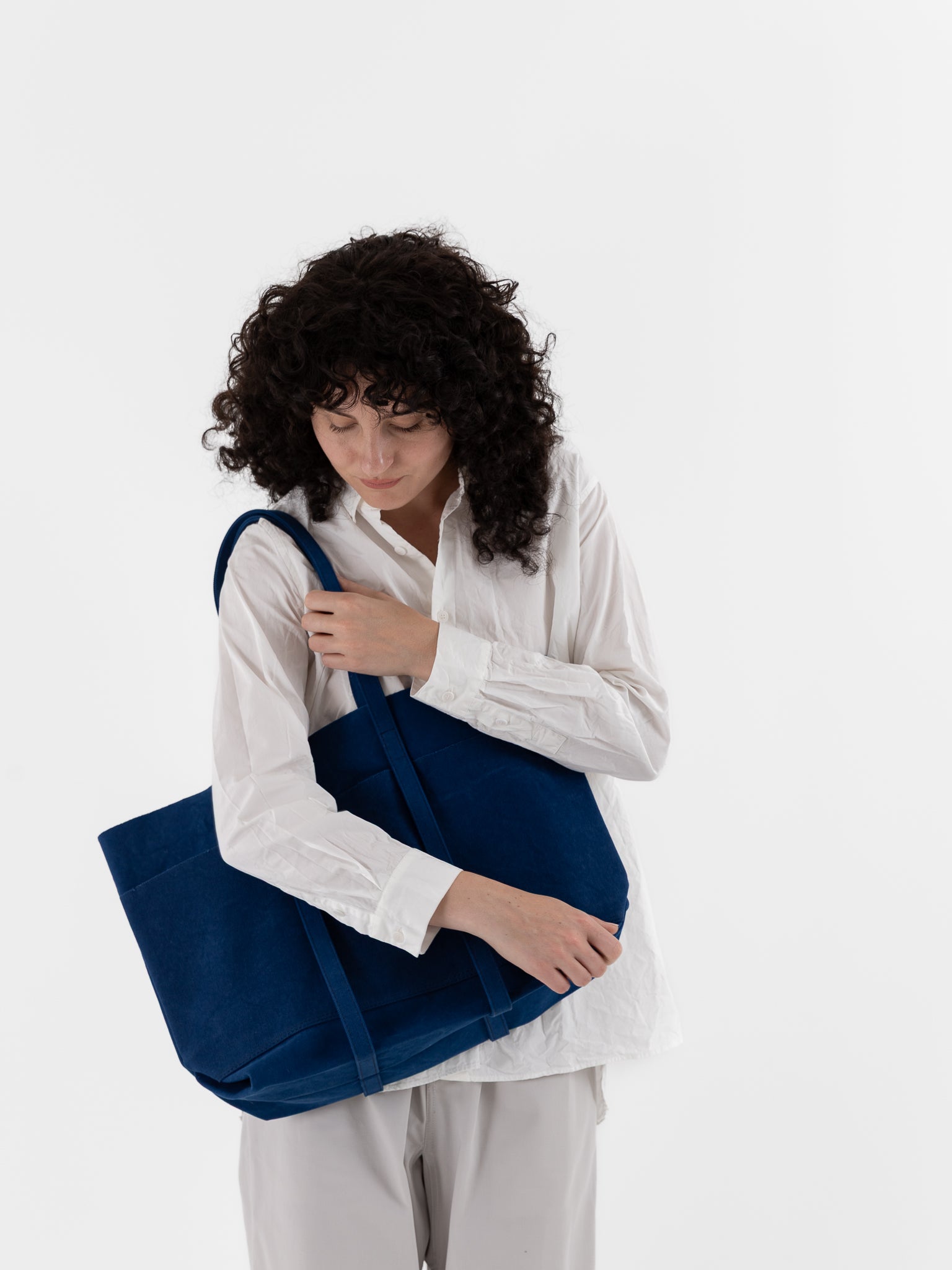

Amiacalva's signature combed yarn canvas is made in the Okayama Prefecture of Japan. The cotton is combed to remove the short, raw fibers and utilizes the remaining long, high-quality fibers to produce the canvas.
The canvas is woven using an old-fashioned shuttle loom to ensure that the edges do not fray, resulting in a clean and tightly woven fabric. The canvas is then dipped into paraffin wax to give it water resistant qualities.
Named after an ancient fish that thrived for centuries without evolving, Amiacalva seeks perfection in design and utility with bags that are timeless and deeply considered.


Hand hammered surfaces, filed facets, and natural “close-to-perfection” pieces.
"A hand will always build objects that appear natural to humans, while the perfection reached by machines often appears cold. We let the hand do the work, led by a skilled eye, not measured with a scale."